Stop the Headache of Uneven Heat in Your SIPA Rotarys
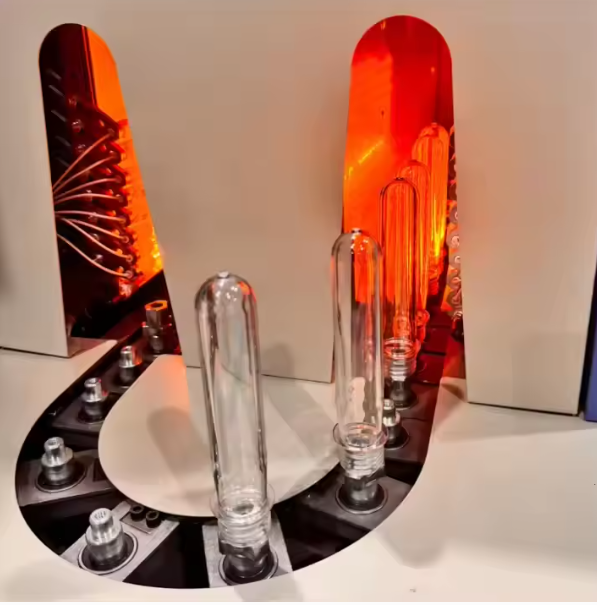
If you’ve ever pulled a batch of bottles and noticed the walls are too thin in some spots or the shape is just… off, you know exactly where the problem lies. It’s the heat. SIPA rotary blow molders need a perfect infrared profile to get those PET preforms just right. But here’s the catch: if you’re mixing and matching lamps with different power ratings, you’re asking for trouble. You get “cold spots” and “hot spots,” and that’s how you end up with deformed bottles and a lot of wasted plastic. That’s why we built our 400V IR radiators to be exact drop-in replacements for Krones-spec systems. No guessing. No “close enough.” Just 100% power matching across the whole oven.
Why 400V Actually Matters
Here is the thing about 400V: it lets us pack more wattage into a small space without blowing a fuse or overloading your current. We keep the wattage tolerances incredibly tight. Why? Because if even one lamp in your bank is lagging by 5%, that one little zone stays too cold. It sounds small, but it ruins the thermal curve. By matching the electrical load of the original Krones radiator, we kill those fluctuations. Every single station in the rotary finally behaves the same way.
Built to Take a Beating
We use heavy-wall quartz glass. It has to be tough because these things go through brutal thermal shocks every time they cycle. We also center the heating element perfectly. This stops those annoying “hot spots” from forming on the tube surface. As for the connections, we use standard R7s or Sk15 depending on how old your machine is. We chose these specifically because they stay put. The last thing you need is a connector wiggling loose because of the constant vibration of a rotary machine.
Swapping Them Out (and a Quick Warning)
Installing these is easy. You pull the old tube, wire it up, and you’re done. You don’t have to mess with the reflector or tweak your setup. But a word of advice: these 400V lamps put out some serious heat. If your oven ventilation is clogged or your cooling fans are on their last legs, the ambient temperature inside is going to spike. That can fry your surrounding wiring. Do yourself a favor—check your airflow and make sure everything is clear before you crank these lamps up to full power.