Getting Your Sterilization Cabinet Up to Temp—Fast
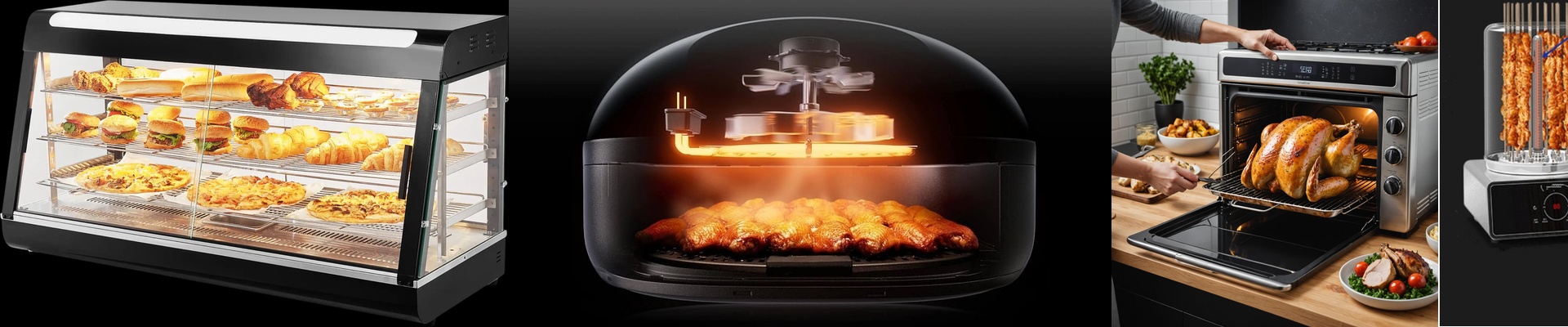
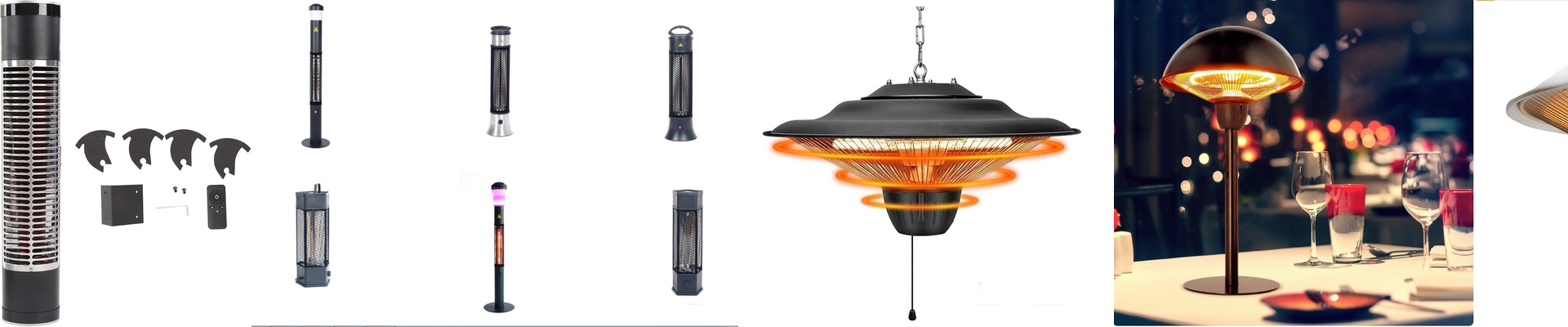
When you’re sterilizing a cabinet, you can’t afford to sit around waiting for the air to warm up. You need to go from room temperature to sterilization heat in a matter of seconds. Standard convection heating just doesn’t cut it here. It’s too slow. That’s why we use short-wave infrared (IR) heaters tucked inside stainless steel ovens. It lets us hit those massive temperature spikes immediately, without waiting for the air to catch up.
Why it actually works
Think about a standard heating coil. It has to heat the air, and then the air heats your equipment. It’s a slow process. IR lamps are different. They shoot electromagnetic radiation straight at the target. We call this a “second-level response.” We pack these heaters with high wattage in a tiny space, so the moment you flip the switch, the filament hits peak heat. No lag. No waiting. Just instant heat.
The nuts and bolts
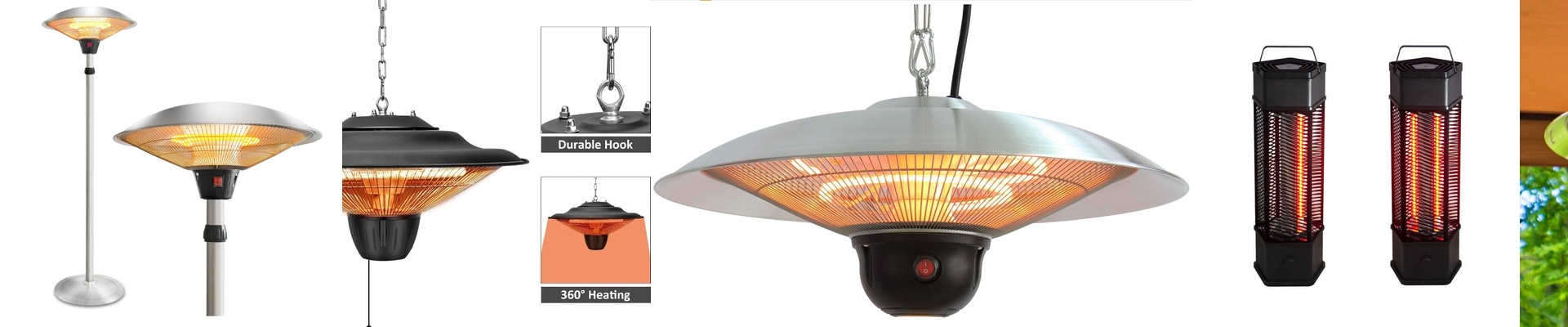
We use high-purity quartz for the envelopes. Why? Because rapid heating and cooling (thermal shock) usually makes glass crack. Quartz doesn’t. The stainless steel housing does two big jobs. It bounces that IR radiation right back onto your gear, and it keeps the outside of the cabinet from becoming a giant toaster that burns your hand. And since we know parts eventually wear out, we use R7s or SK15 connectors. If a lamp pops, you just swap it out. You don’t have to tear apart the control board or spend an hour rewiring everything.
A few things to watch out for
Here’s the catch: high-density IR heating is a power hog. If you’re running a big cabinet with several 2000W+ tubes, your power supply needs to be beefy enough to handle that initial surge of current. You also have to be careful with your sensors. Because IR heat is so direct, if your sensor is sitting too close to the lamp, it’ll read a massive spike that isn’t actually happening on the surface of your equipment. It’s a common mistake. The trick is getting the spacing just right. That’s the only way to make sure you’re sterilizing your gear without accidentally baking it.