Why Your Oven Needs to Stop “Coasting”
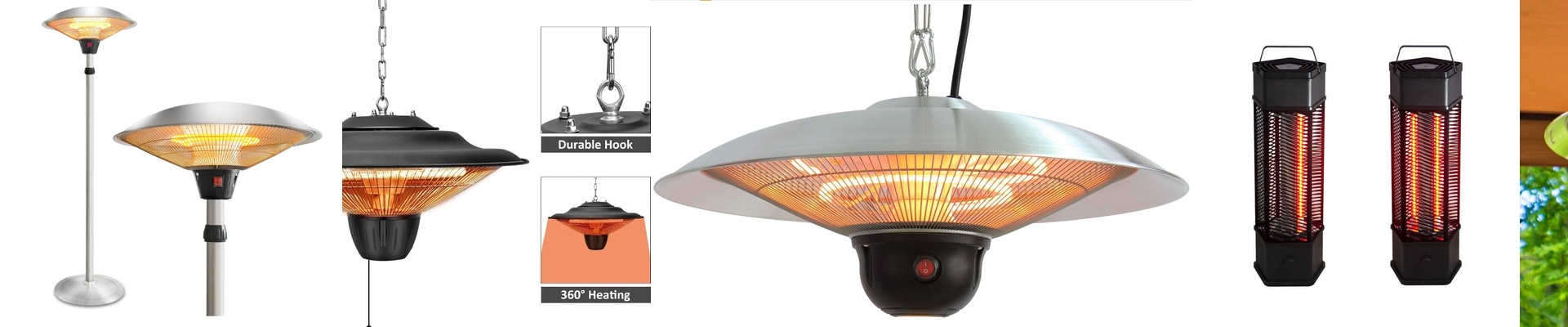
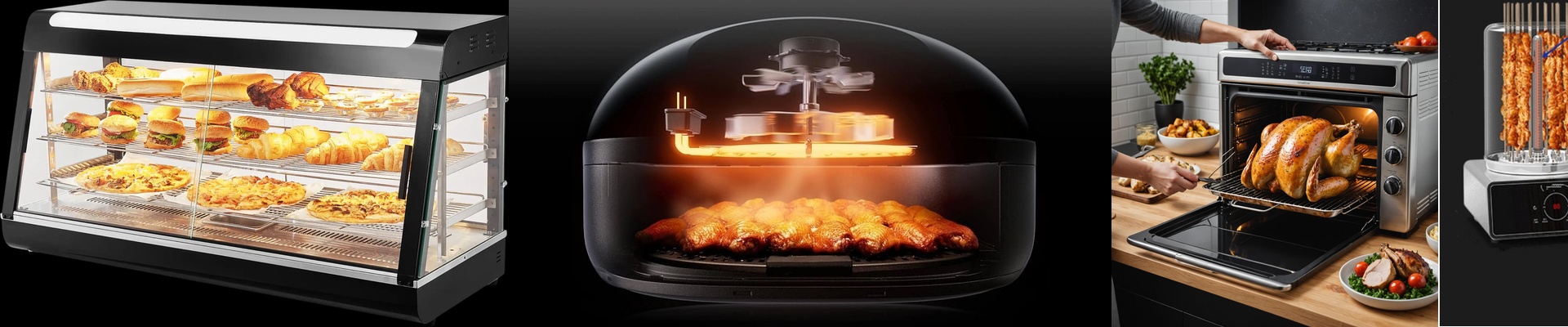
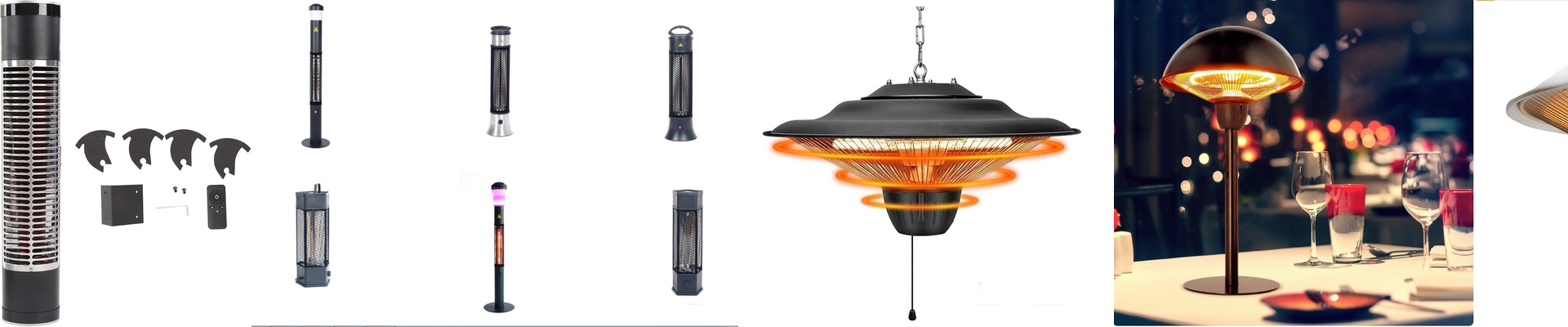
In the world of industrial baking, the gap between a gold-standard crust and a burnt mess is tiny. We’re talking seconds. The problem is that most standard heating elements are just too stubborn. They hold onto heat long after they’re supposed to. It’s what engineers call thermal inertia, but in plain English? It’s just lag. Here’s what happens: your controller tells the heater to shut off, but the metal is still glowing hot. It keeps dumping energy into your bread even though the “off” switch was flipped. That’s how you get temperature overshoot, and that’s how you ruin a batch. The trick is using short-wave infrared lamps. Unlike those old-school resistive coils, IR lamps don’t rely on moving air to get the job done. They use radiation. The filament hits its target temp almost instantly. And the best part? When you cut the power, the heat stops. Just like that. This gives you way more control. You can actually chase a specific temperature without the oven “coasting” past your goal. If you need to drop from 230°C to 210°C to keep things from scorching, these lamps just do it. No waiting around for the metal to cool down. But you can’t just throw any lamp in there. To get this kind of snap, we usually go with halogen-filled quartz envelopes. It packs a lot of power into a small space. Just a heads-up: this kind of intensity is hard on your reflectors. If they get dirty or pitted, your heat starts scattering instead of hitting the bread. Your efficiency will tank. And please, don’t cheap out on the relays. Because these lamps are clicking on and off constantly to keep the temp steady, you need high-quality Solid State Relays (SSRs). Cheap ones will just fry under that kind of pressure. Throw in some heat-resistant wiring, make sure your airflow is dialed in so you don’t get cold spots, and you’ve got it. You’ll have the tightest thermal window possible, which means more perfect loaves and way less waste.