The real question: Will it still work five years from now?
We build wall-mounted industrial infrared heaters for one reason: to live through the messy reality of the shop floor. Day one performance is easy. The question that matters is this: what happens on day 5,000? That’s why every unit gets put through a full湿热 environment aging test before it ever leaves our hands. We shove it into high heat and high humidity, basically recreating the worst day your equipment will ever see. If something is going to fail, it fails here. Not at your customer’s plant. For us, this isn’t just a quality step. It’s the way we build.
Let’s talk power, voltage, and size
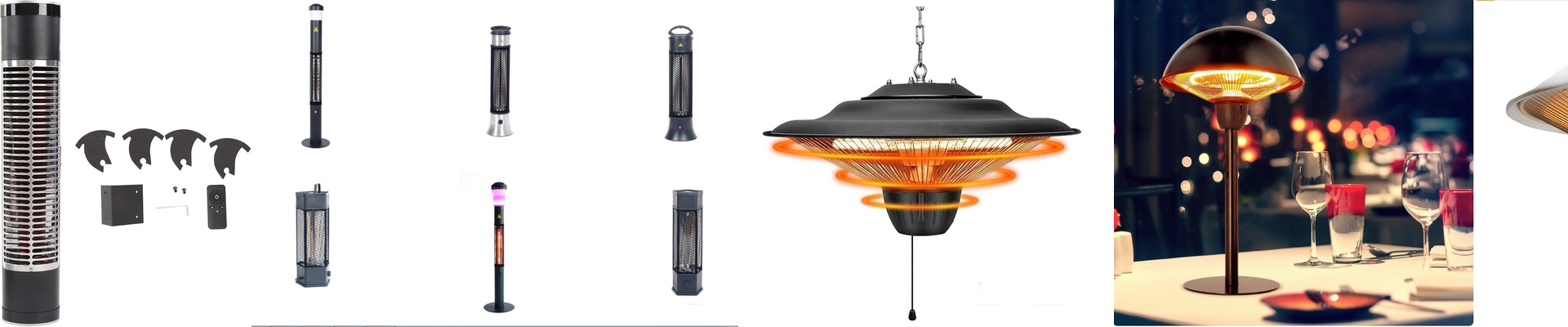
Our wall-mount heaters are built around a clear, practical setup. Standard configuration runs at 400V, and it delivers high-density heat in a compact footprint. The tube length is 300mm—a deliberate choice. It gives you enough radiant surface to heat a target zone fast, without needing a bulky enclosure. That tight footprint means you can mount it where floor-standing heaters just can’t fit. The output is 2500W. It’s aggressive, because industrial jobs like drying lines and process heating need heat that shows up immediately. But with that power comes a simple reality: your electrical infrastructure needs to be ready. Make sure your control circuitry and wiring are rated for continuous high-load operation.
Why the components matter (and what we chose)
The heart of the unit is the shortwave halogen heating element. It responds quickly, and it holds steady even when you cycle it on and off again and again. We wrap that element in a high-purity quartz tube. Quartz handles thermal shock way better than standard glass, so rapid power cycles don’t turn into early failures. Then there’s the R7s connector. It’s the workhorse here—standardized, high-temperature rated, and built to handle the current draw without drama. On the line, installation becomes straightforward: plug it in and get on with the job. We also coat the exterior to stand up to chemical splash and corrosive environments. That coating is your first line of defense when conditions get harsh.
What this solves in the real world
This setup—400V, 300mm length, halogen tech—was chosen to solve actual engineering headaches. High heat density means faster process speeds. The wall-mount design clears up floor space that’s too valuable to waste. And the R7s connector keeps installation fast and secure, so you spend less time wiring and more time running. And remember that aging test? It’s the proof. It checks that the coating won’t blister, the connector won’t corrode, and the element won’t burn out early. There’s one trade-off, though: 2500W means you need proper thermal management. Plan for ventilation to handle the ambient heat buildup. That’s just how high-output equipment works. We build these heaters to take a beating. And we make sure they can handle it.