
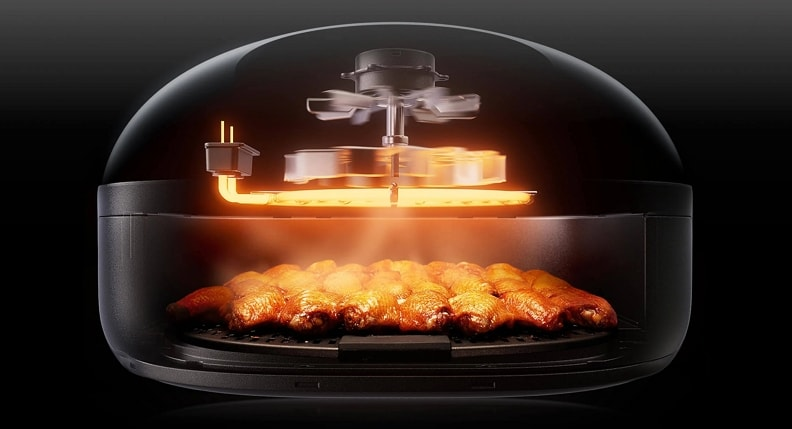
Stop Drying Out Your Bread: A Better Way to Handle Oven Heat
Ever pull a loaf out of the oven only to find the crust is like a rock, but the inside isn’t quite right? It happens because convection is a bit of a bully. The airflow just strips the moisture right off the surface before the crumb has a chance to set. We’ve found a better way. Instead of just blowing hot air around, we use infrared (IR) heating. It changes the whole process from “heating the air” to “sending heat directly to the bread.” How it actually works Think of it like the sun on your skin. You don’t need the air to be 100 degrees to feel the heat; the radiation does the work. IR elements send out waves that dive straight into the dough. This is great because you can hit the crust with a burst of intensity to get that perfect, golden-brown Maillard reaction, all while keeping the inside nice and moist. It mostly comes down to the wavelength. Short-wave hits the surface fast. Medium-wave goes a bit deeper. The gear under the hood We build these things with tungsten filaments wrapped in high-purity quartz glass. The quartz is key—it keeps the filament from burning out (oxidation) but lets the IR heat slide right through without getting stuck. If you’re putting these into a big industrial setup, just keep an eye on your power. High-wattage tubes get the oven up to temp fast, but they can be hard on your contactors. I’d suggest using reinforced connectors. It’s a small detail, but it stops those annoying arcs at the terminals. Real talk: What happens on the shop floor Look, IR isn’t a magic wand. You still have to get the distance right. If the lamp is too close, you’ll torch the top of your loaf before the center even hits 90°C. You also have to think about “heat soak” in the ceiling. If your vents aren’t up to the task, the whole oven will just get too hot. At that point, the precision of the IR doesn’t matter—your bread is going to dry out anyway. Get the spacing and the airflow right, and you’ll have a crust that actually tastes like it should.