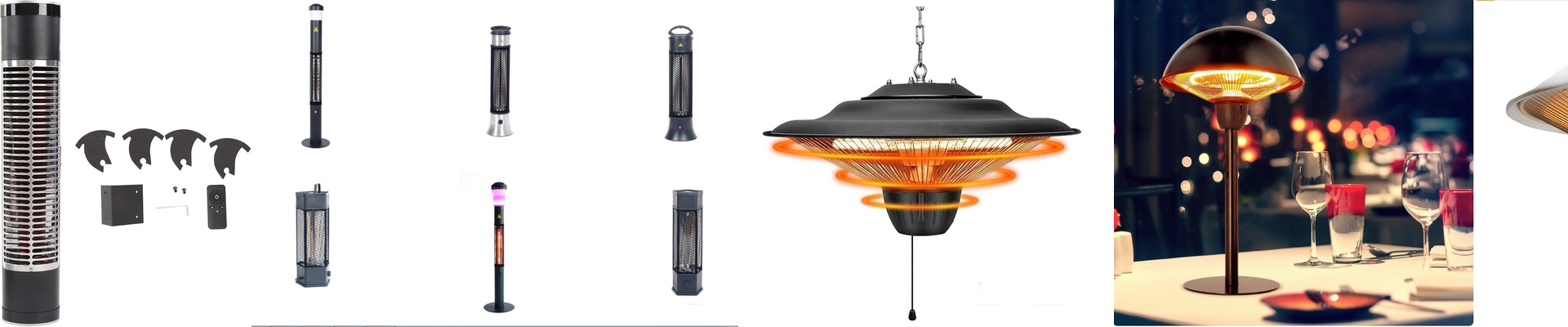

Making Industrial Infrared Heaters Actually Smart
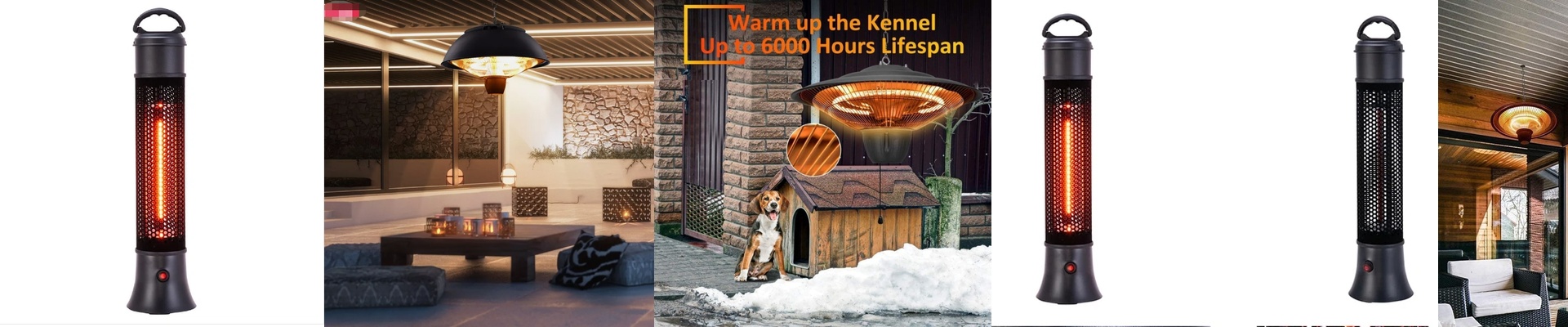
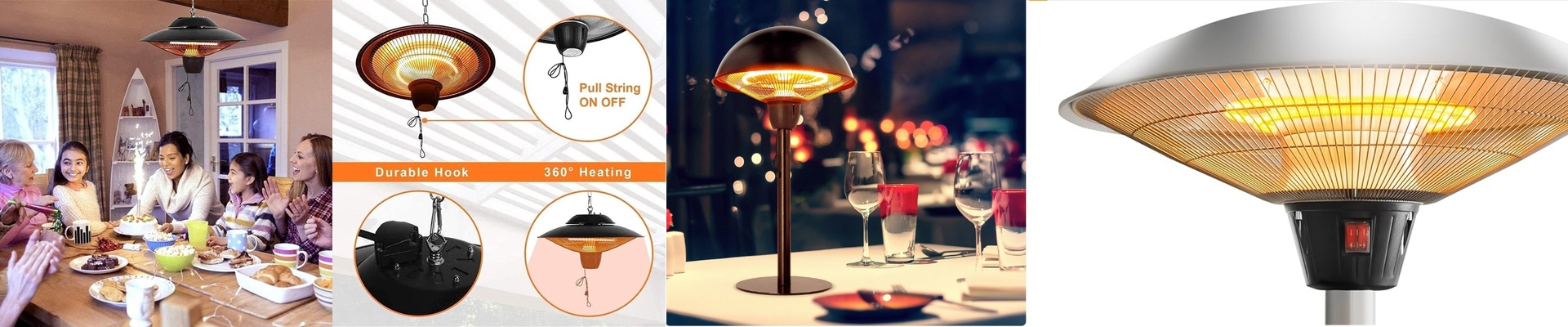
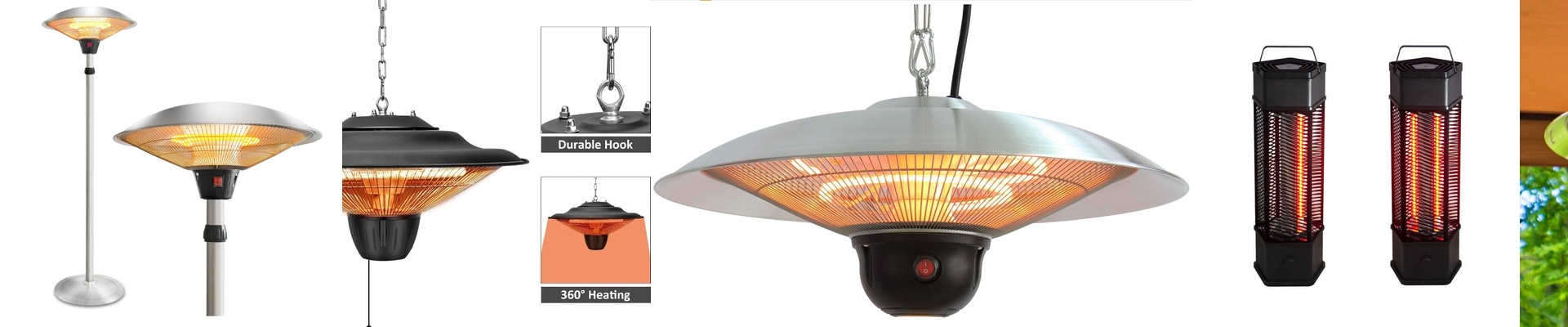
If you’ve ever worked in a factory with high ceilings, you know the struggle. You crank up the heat, but all that warmth just floats up to the rafters, leaving you shivering on the shop floor. It’s frustrating. That’s where infrared (IR) radiators come in. Instead of trying to warm up the entire volume of air, these things shoot heat directly at whatever is in front of them—whether that’s a workbench or a person. You feel the warmth instantly.
Getting Them Online
Now, nobody wants to walk across a freezing warehouse just to flip a heavy breaker switch. That’s why we hook these heaters up to smart home or building systems. We basically use IoT relays and Wi-Fi or Zigbee controllers to act as the middleman. You tap a button on your phone, a signal hits a contactor, and the heat kicks in. There’s no waiting around for a coil to warm up. It’s just… hot. Right away.
The “Don’t Burn Your House Down” Part
Here is the catch: you can’t just grab a cheap smart plug from the store and plug in a 5kW industrial heater. You’ll fry that plug in about two seconds. The right way to do it is to let a smart controller handle the low-voltage “trigger” while a heavy-duty magnetic contactor does the actual heavy lifting of moving the power. I usually suggest adding some motion sensors and temperature probes too. That way, you aren’t paying to heat an empty corner of the building. But a word of advice?**Always put a physical override switch on the wall.**If your Wi-Fi crashes in the middle of January, you don’t want your team freezing because the router decided to reboot.
A Few Tips for the Install
When you’re wiring this up, stick with high-temperature shielded cables. You don’t want the IR waves messing with your signal. Also, make sure your control board has plenty of breathing room in a ventilated box. And if you’re installing a dozen of these units, don’t turn them all on at the exact same millisecond. Stagger the start times in your software. If they all hit the grid at once, you’re probably going to trip the main breaker and spend your afternoon resetting the panel.