
Introduction
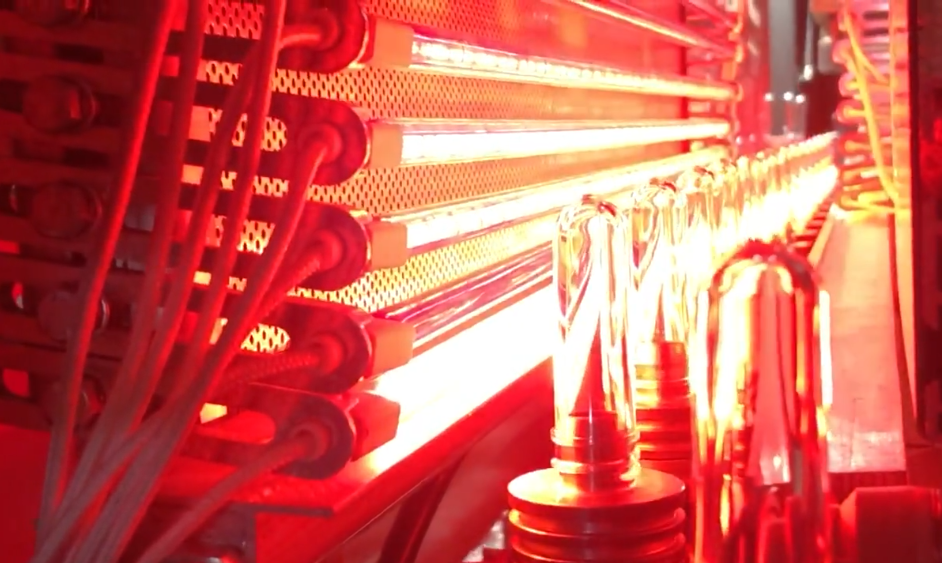
We make quartz heater elements, plain and simple—built specifically for Sidel stretch blow molding lines. The whole idea? Give you a drop-in replacement that works across the entire Sidel family, from the older SBO models to the brand-new Matrix machines, without forcing you to rework the whole setup.
Technical Deep-Dive: Power, Voltage, and Geometry
Here’s the thing about Sidel machines: they need heat control that’s spot-on, every single time. So we build our elements to match the standard Sidel thermal setup. They usually run on high voltage—think 400V—to pack a lot of wattage into a short tube. This keeps the heat right where it needs to be: on the preform neck ring and the stretch heating zone. And it does all that without taking up extra space. The dimensions are exact, too. Tube length, diameter—everything matches the original equipment down to the last detail. That way, the element sits perfectly in the heater block and lines up with the reflector just right. And alignment matters. If the hot zone is even a few millimeters off, you end up with uneven heating, slower cycles, and more scrap. Nobody wants that.
Material & Design: Quartz, Coating, and Connectors
We use high-purity quartz because it can handle the constant heating up and cooling down without cracking. The internal filament is arranged to keep resistance steady and radiate heat evenly, no matter how you run the machine. Then there’s the coating. It shifts the heat spectrum toward near-infrared, which PET absorbs way better. That means faster heating and less wasted energy. And the connectors? They’re made to match Sidel’s original specs—R7s, Sk15, the usual types. The contacts handle high current safely, and the fit is precise so it never seats wrong. In our shop, we call it “plug-and-fire.” Wire it up, set the parameters, and it just works.
Application & Benefits: PET Heating Without Compromise
On a PET blowing line, the heater element isn’t just a part you replace. It’s part of the process control loop. Our elements give you consistent radiant heat, so preform temperature stays stable, stretch is even, and pinholes drop off. Because the design works across all Sidel machines, you get to standardize on one element. That means fewer spare parts to stock, quicker changeovers, and maintenance that’s actually simple. One trade-off to keep in mind: high-voltage, high-wattage heating is fast and delivers dense heat, but it needs the cooling system to stay clean and properly sized. If the air around the heater block gets too warm, the element runs hotter, and its lifespan drops. Keep the airflow and cooling as designed, and the element will perform exactly the way it should.