Getting the Heat Right for Your Husky HyPET
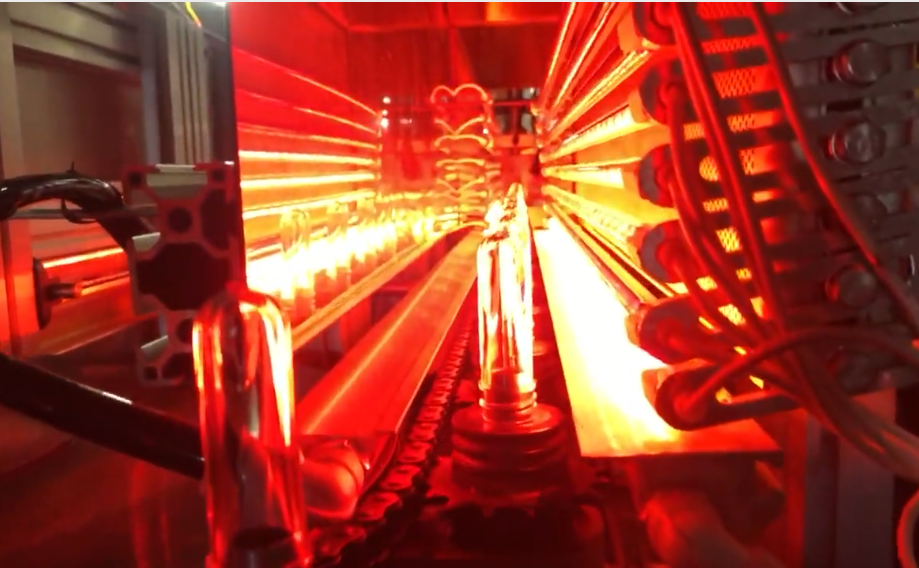
If you’ve spent any time around high-speed PET blowing, you know the struggle. The biggest headache is usually the heating profile. When the heat just sits on the surface of the preform, you end up with thin walls and a mess of uneven distribution. It’s frustrating. That’s why we built our lamps specifically for the Husky HyPET footprint. We aren’t just trying to make them “hot”—we’re trying to push that infrared energy deeper into the PET material where it actually belongs.
The secret to deep heating
Here’s the thing: most generic lamps just scorch the surface. To stop that, we messed around with the halogen gas pressure and the filament composition. We shifted the emission to wavelengths that the PET polymer actually likes to absorb. It’s a subtle change in physics, but it makes a huge difference on the line. Plus, we use heavy-wall quartz. Why? Because rapid cycling puts a ton of stress on the glass, and we don’t want your lamps popping when things get intense.
Built for the grind
Husky lines move fast. To keep up, you need high wattage density, but that usually means your lamps burn out way too soon. We fixed that. Our tubes handle high voltage loads without giving up the ghost prematurely. They’re a simple drop-in replacement—exact dimensions, exact connectors. No hacking, no tweaking. And we didn’t skimp on the end caps. We use precision-fit caps to keep the electrical contact tight. If those connections get loose at these wattages, you get arcing and melted sockets. Nobody wants to deal with that on a Tuesday morning.
Real talk: Life on the shop floor
Now, a heads-up. Because these lamps push more thermal load into your oven, your cooling blowers have to be up to the task. If you crank the wattage to speed up your throughput, make sure your fans can handle the extra ambient heat. Also, do yourself a favor: check your reflectors every single shift. Even a tiny bit of carbon buildup will kill your penetration depth. It doesn’t matter how fancy the lamp is if the reflector is dirty. These are built for 24/7 operation. We chose filament stability over raw, blinding brightness because the last thing you need is your heat profile drifting right in the middle of a shift.