Keeping Your IR Lamps Alive in a Steam Oven
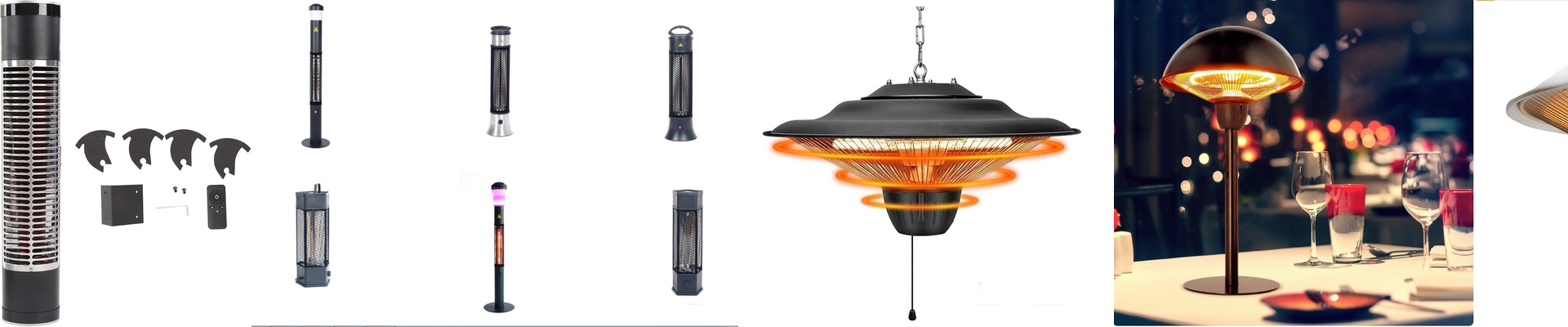
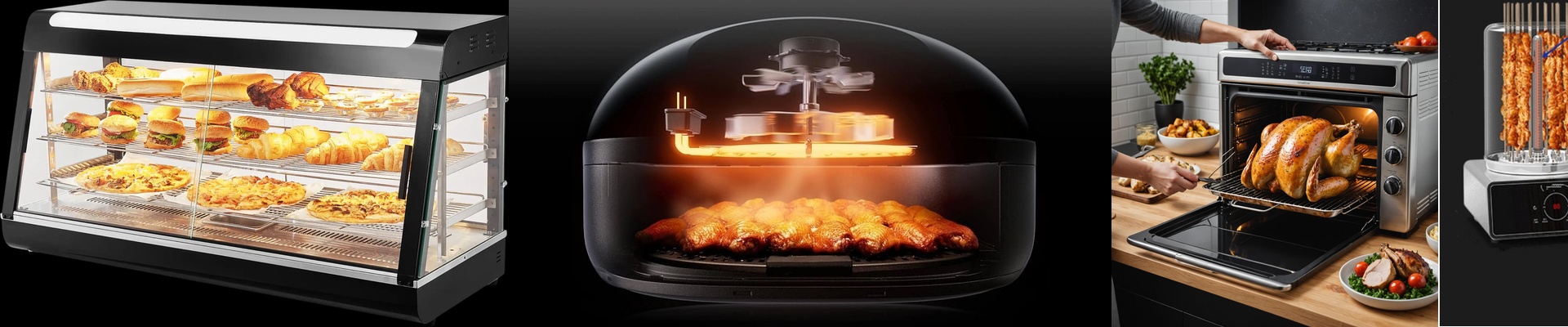
Let’s be honest: steam convection ovens are a nightmare for heating elements. You’ve got thick humidity, wild temperature swings, and the constant threat of a stray water droplet hitting a red-hot surface. It’s a brutal environment. That’s why we use specialized infrared (IR) lamps. Unlike those old-school resistive coils that take forever to warm up, these things hit their stride almost instantly. No lag. Just heat.
Getting the Heat Right
If you want your oven to stay stable, you can’t be waiting around for the lamp to wake up. We design these with a high wattage-to-length ratio. Why? Because when the oven is choked with steam, you need a punch of heat density that can actually penetrate the food, not just warm the air. And if you’re running a high-voltage setup, you’ll notice the current draw stays lower. That’s a win for your wiring and contactors—less stress on the guts of your machine means fewer midnight repair calls.
Why Quartz Matters
We don’t use standard glass here. We use high-purity quartz. Here is the thing: standard glass hates steam. It cracks. Quartz, on the other hand, can handle the thermal shock of a steam blast without shattering. Plus, everything is inert and food-safe, so you don’t have to worry about weird coatings leaching into your meal. The best part? They’re drop-in replacements. You just pop them in. No need to rip apart your chassis or rewire the whole oven.
The Catch (Because there’s always one)
You get incredible response times, but it comes with a trade-off. Rapidly cycling high-wattage lamps in a damp room puts a lot of pressure on the filaments. If your steam valve has a slow leak or—even worse—drips directly onto the quartz tube, the lamp is going to burn out way faster than it should. **Check your shields.**Make sure they’re actually deflecting the water spray. And please, make sure there’s enough airflow around the housing. If the heat gets trapped, your sockets will melt, and that’s a mess nobody wants to clean up.