Fixing those annoying heat spots in your KHS PET ovens
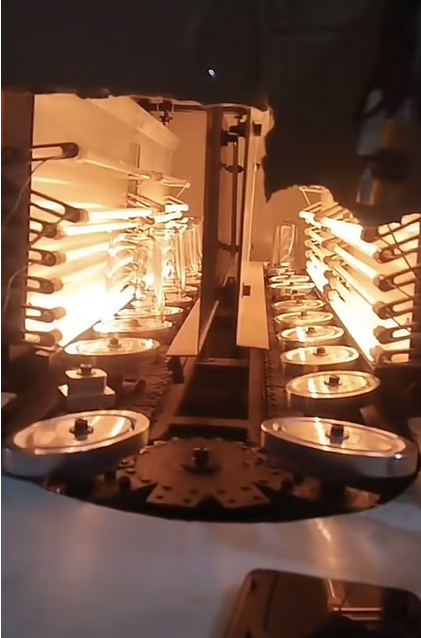
Ever pull a batch of bottles off the line and see that weird pearlescence or uneven wall thickness? It’s frustrating. Usually, it just means your heating isn’t uniform. It happens all the time. Either the lamps are getting old, or the heat just isn’t hitting the preform where it needs to. The quickest way to stop the headache? Swap those standard tubes for precision infrared lamps. Getting the heat right Here’s the thing: heating isn’t just about “on” or “off.” It’s about how the wattage and the light spectrum actually hit the plastic. For KHS setups, we obsess over the length and voltage ratios. You want the heat to soak deep into the PET without scorching the outside. But be careful—if you cram a high-wattage lamp into a tiny space, you’re creating a heat bomb. If your oven’s ventilation isn’t up to the task, those lamps are going to burn out way faster than they should. The nitty-gritty on the gear We use heavy-wall quartz glass and halogen gas. Why? Because it lets the lamp run hotter without the filament giving up the ghost. And don’t worry about a complicated install. Most of these use R7s or SK15 connectors. They’re basically plug-and-play. You just slide them into your existing sockets. No rewiring, no swearing at the manual. Plus, the halogen cycle keeps the tungsten on the filament, which means the lamps actually last through all those constant power cycles. A few things to watch out for These lamps give you a much tighter thermal profile than the cheap, generic stuff. Your “heat soak” becomes consistent, and your scrap rate drops. But there’s a catch. Higher intensity means more stress on your power supplies. Just double-check that your transformers can handle the extra current draw. One last tip: keep your contacts clean. A loose R7s connection can arc, and before you know it, you’ve melted your socket. Just swap them in, tighten them up, and you’ll have a much steadier blowing process.