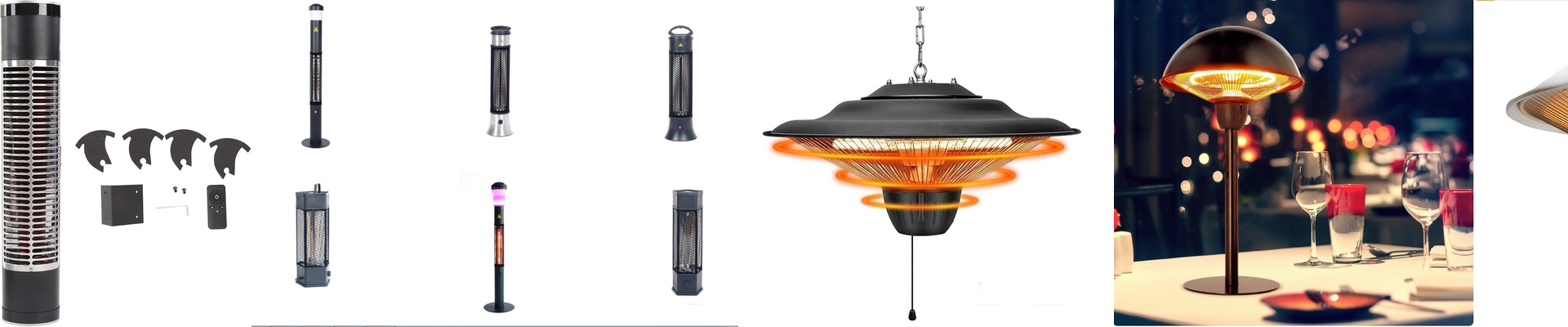
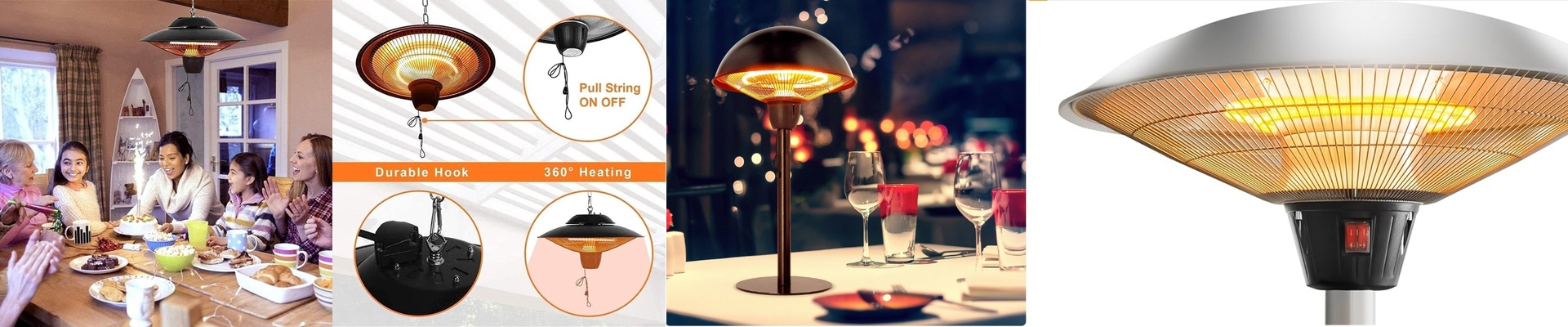
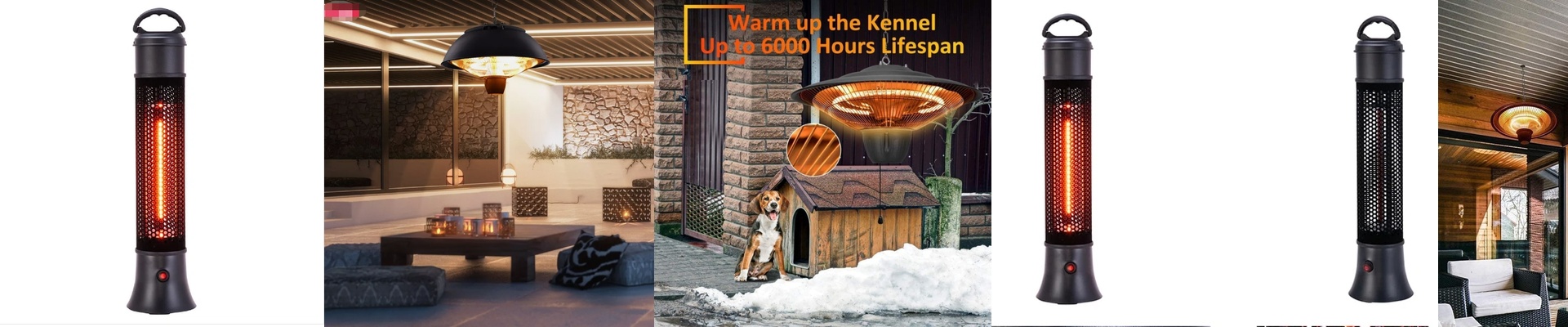
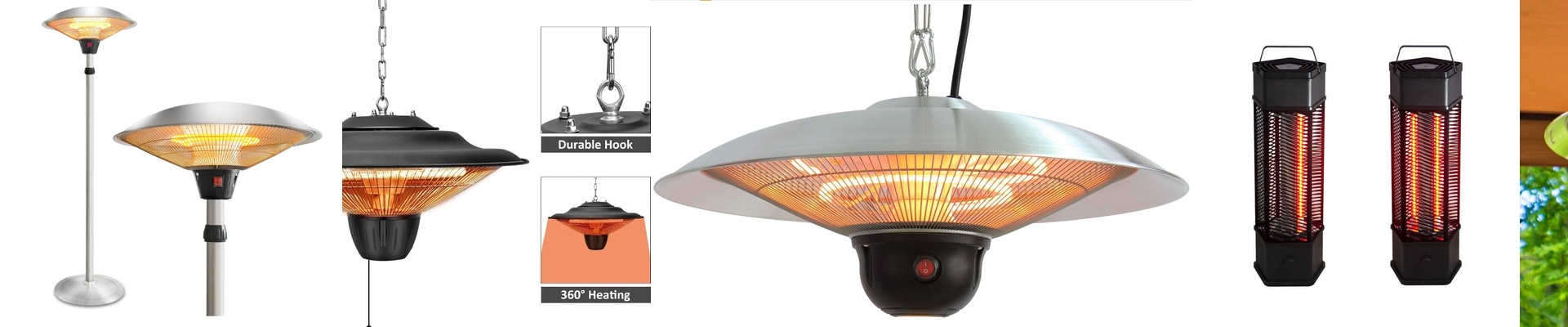
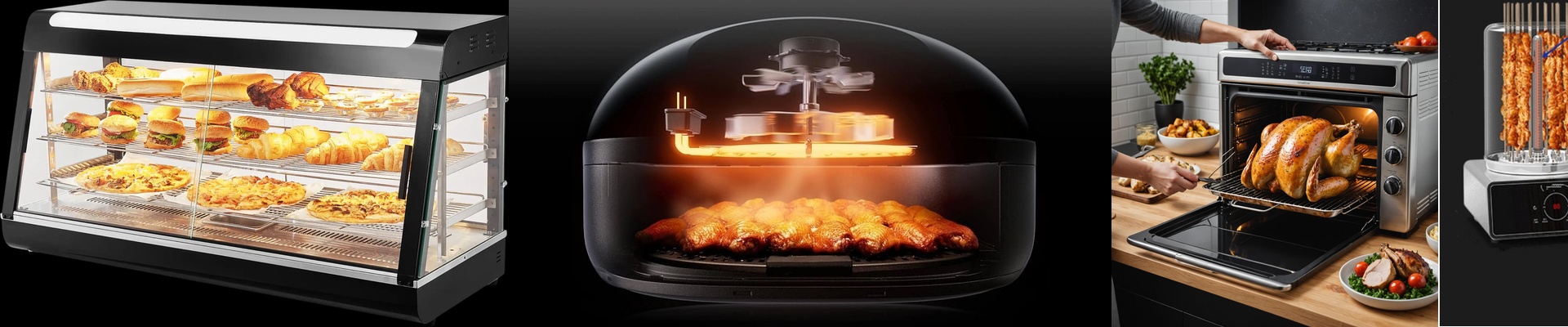
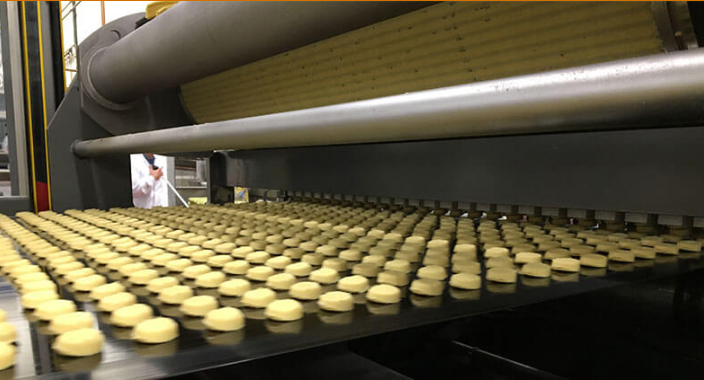
When service hits, your oven can’t hesitate. A slow preheat or uneven heat in the baking chamber throws off your rhythm, drags ticket times, and kills crust and caramelization. We built our steam oven infrared bulbs to deliver heat that’s immediate and repeatable, so your deck ovens, rotary ovens, and convection units keep up with the rush. What matters under the hood These bulbs use short-wave infrared quartz, chosen for fast response and tight control. A typical unit runs at 240–277 V, 1.5–2.0 kW, and the compact form drops straight into standard sockets and oven cavities. The filament geometry and reflector path put the energy where you need it—right onto dough, stone hearths, or sheet pans—so the surface hits target temperature fast while the surrounding air stays stable. Infrared heat penetrates the outer layer without overworking the oven’s thermostat, giving you crisp crust and controlled rise. Why this plays in a busy bake line Minutes saved per batch add up fast. The bulb hits full output in seconds, cutting preheat and shortening bake cycles while keeping color consistent. With focused, stable heat, you get fewer rejects from under- or over-baking, and the oven recovers quicker between loads. The payoff is steady output, predictable quality, and lower energy draw per bake cycle. Field notes Infrared bulbs do their best work when they’re aimed at the load and kept clean—grease and flour buildup will hurt performance. Double-check mounting, voltage, and socket type before ordering. Some cavities run hotter near the door, which can shorten service life. Treat the bulb as a hot component: let it cool before handling, and keep spares on hand so you don’t miss a service window.