On a blow molding line, the heating tunnel keeps moving—downtime doesn’t. When a PETC preform softening emitter takes a dive, the molds sit idle, preforms cool off, and the schedule slips. You need a replacement bulb that drops in and performs, without forcing you to retune the entire heating profile.
What matters under the hood
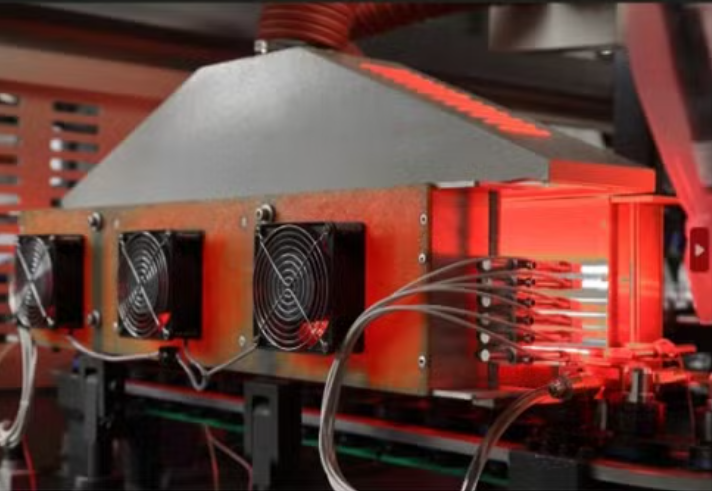
We build PETC preform softening emitter spare bulbs as direct-fit units for blow molders, engineered to match OEM heating requirements. They’re short-wave infrared (IR) emitters—halogen filament inside a quartz tube—so response is fast and temperature control stays tight in the preform heating tunnel. Typical ratings cover 1200–1500 W, 230 V, with standard R7s connectors and OD/length dimensions that align with common recessed sockets. The spectral output is tuned for PET, so the energy goes into heating the preform wall instead of overheating the neck finish. Every bulb is tested for consistent resistance and output tolerance, so you can swap one in and keep the same heating curve.
Why this matters on the line
In stretch blow molding, preform heating sets the pace. Stable emitter output keeps the preform at the right softness, so stretch ratios are repeatable and bottle quality stays consistent. Our bulbs match the original geometry and electrical interface, which cuts setup time and keeps you from having to re-map heating zones. In practice, that means fewer warm-up drifts, less scrap from off-spec bottles, and a quicker return to full cycle rate after a replacement. Energy use stays predictable because the emitter matches the machine’s design load.
The practical details
Installation is straightforward, but alignment matters. Make sure the lamp sits flush in the reflector and that the R7s contact is clean and fully seated—poor contact raises resistance, creates hot spots, and shortens life. Handle quartz with gloves and don’t touch the tube; oil residues will cause uneven heating. These bulbs are built for blow molding duty, but they still wear like any high-intensity lamp. Plan replacements around preventive maintenance windows, and keep a spare on hand so the heating tunnel never has to wait.