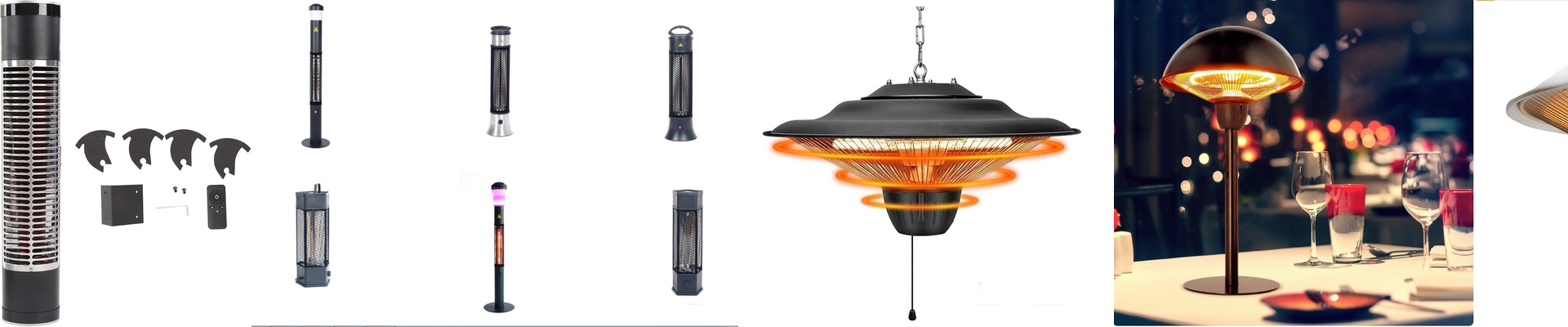
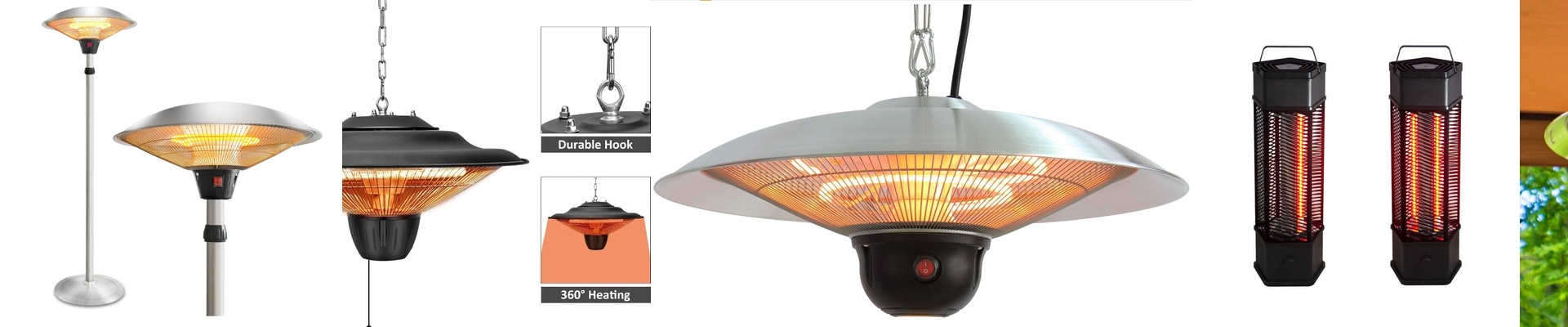
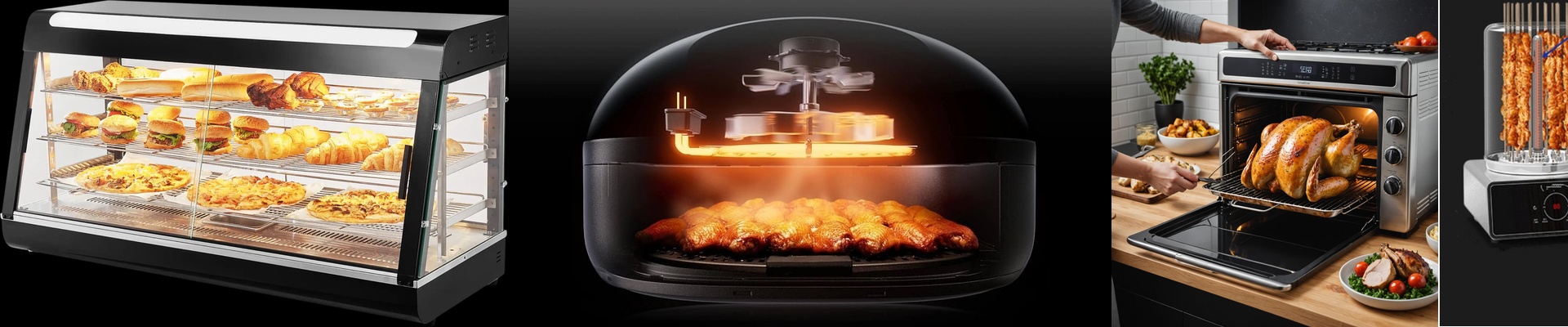
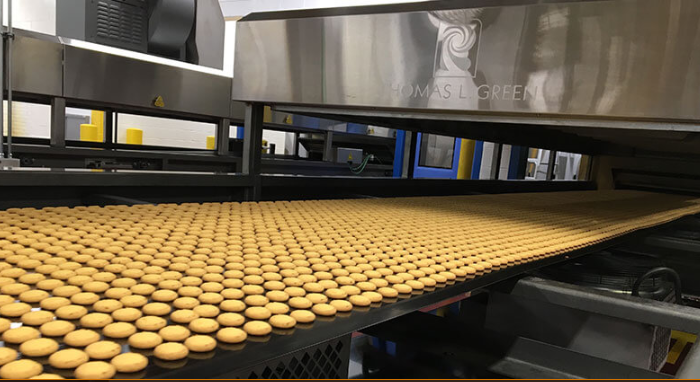
When the ticket queue backs up and the menu doesn’t bend, your oven can’t afford slow recovery or hot spots. Weak heating elements drag out bake times, miss the sweet spot on caramelization, and turn a simple run of snacks into a bottleneck that costs you money. We built our carbon fiber IR emitter to handle that pressure—without the drama. What matters, technically The carbon fiber IR emitter comes up to temperature fast and holds stable resistance through repeated heat-up and cool-down cycles. The filament hits operating temp quickly, delivering short-wave infrared that penetrates dough and toppings more directly, so you don’t have to lean so hard on stacked convection heat. The payoff is faster heat transfer without scorching the surface. In practice, you get a repeatable bake curve—consistent color and texture—even when the door keeps opening and closing during a rush. Why this works in a snack operation Speed and consistency are the same thing as profit here. The emitter shortens bake time per tray, so you squeeze in more cycles without adding oven runtime. That boosts throughput while keeping product quality steady from the first order to the last. And because it turns electricity into targeted IR heat efficiently, you waste less energy in the baking chamber—lower kWh per bake and less strain on peak demand. Fewer under-baked or over-browned batches also means less rework and less waste. Here’s what you need to keep in mind IR is line-of-sight, so placement and reflector alignment matter. We size emitters to match your oven cavity and load profile, and we set them up so the product path has a clear line of sight for even coverage. Installation means getting the mounting, wiring, and clearances right—both for heat and for service access. If you’re running high-moisture or heavy-grease conditions, use protective shielding and stick to routine cleaning. That’s what keeps output stable and extends service life.