When service hits, the oven can’t be the weak link. A deck oven that drags its feet coming up to temp throws your prep off, stretches your bake window, and turns a simple pizza or bread run into a string of small headaches. You don’t need hype. You need heat—fast—and control that lets you hit the same result, bake after bake. That’s where a black ceramic IR plate earns its keep in a commercial oven.
What’s actually going on under the hood
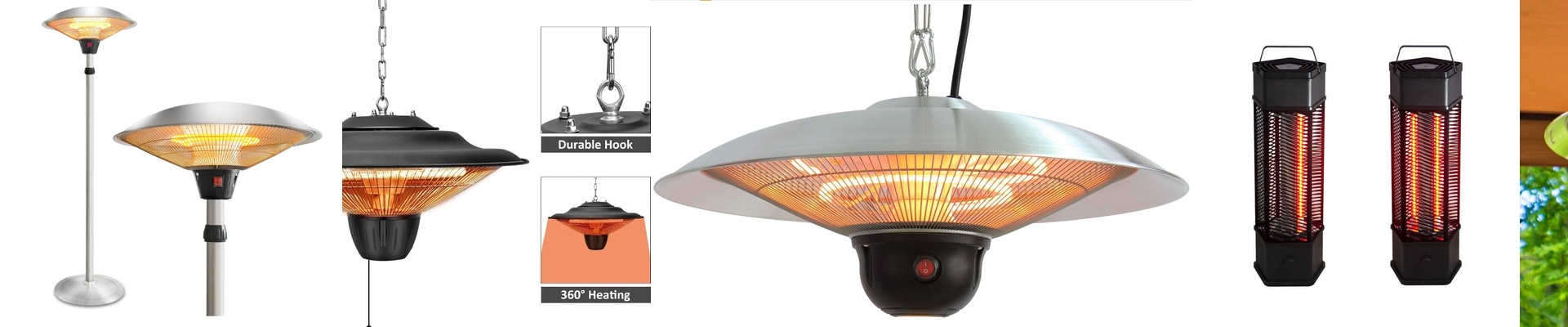
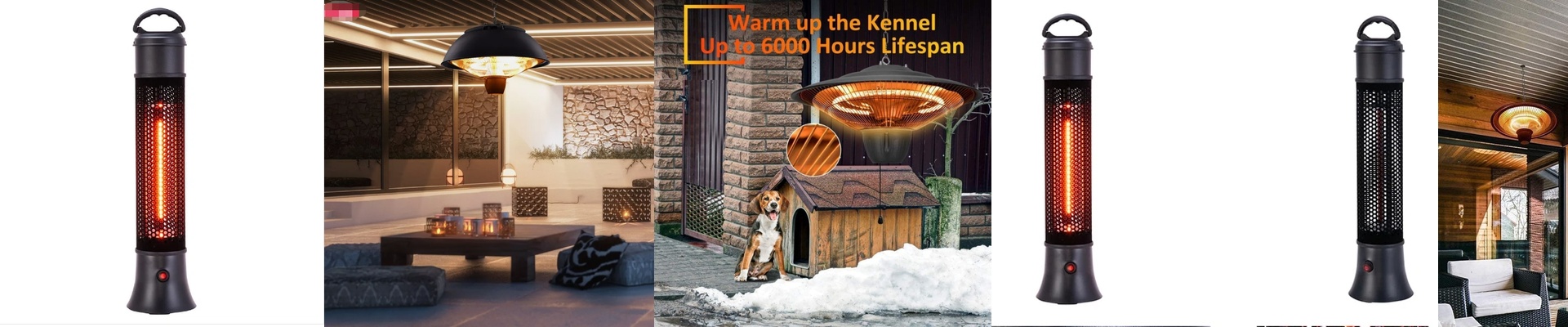
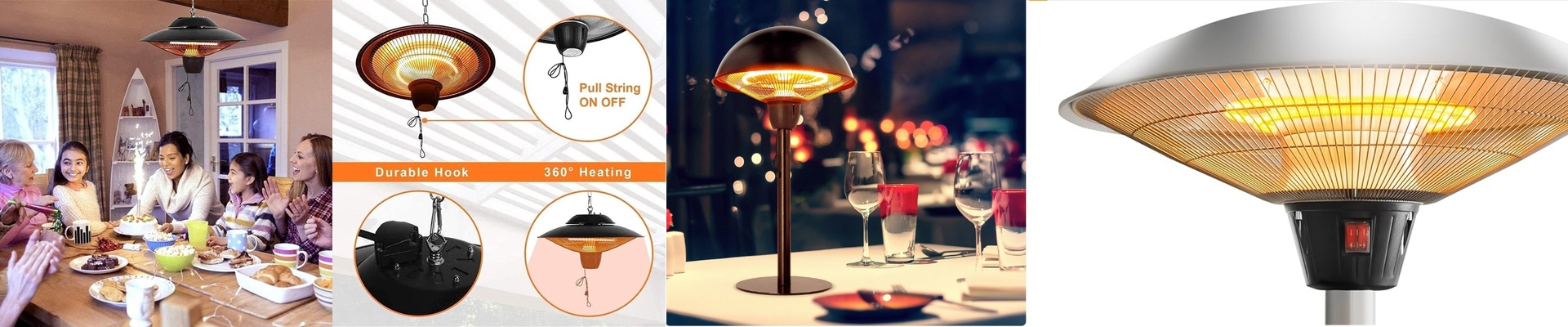
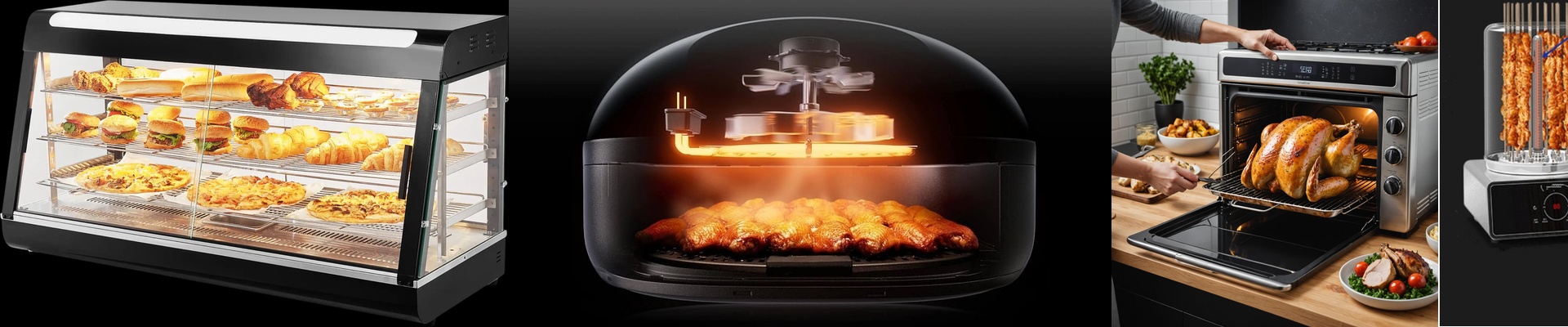
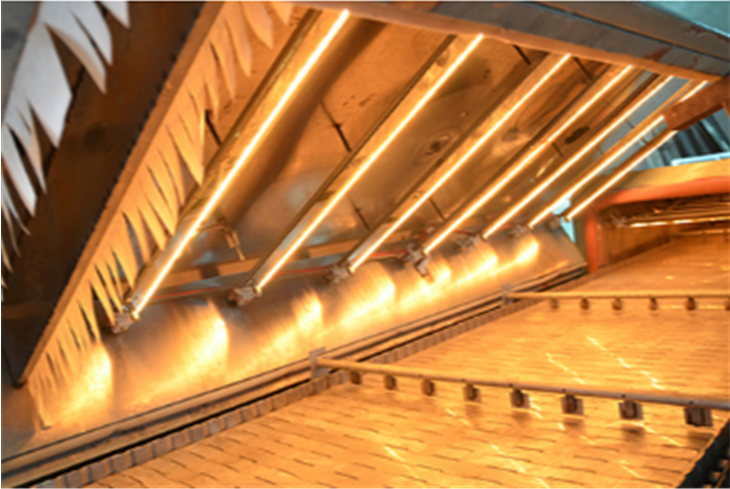
The black ceramic IR plate is an infrared heating element built around a high-emissivity ceramic substrate with an integrated resistive element, sealed behind a durable ceramic coating. The “black” finish isn’t for looks—it’s engineered to radiate heat efficiently, so energy moves into the baking chamber quickly instead of getting hung up in the element mass. Infrared heat doesn’t work like conventional convection. Instead of heating air and relying on airflow to carry the energy, IR delivers radiant energy straight to the product surface—top and bottom, depending on placement. That gives you direct browning and blistering on the crust while the interior finishes without drying out. Here are the performance traits that matter in the real world:
- Near-instant heat: The ceramic plate comes up to operating temperature fast, cutting recovery time between bakes.
- Directional radiant output: Heat goes where it’s pointed—onto the product—so you waste less energy heating the room.
- Stable emissivity: The ceramic coating keeps radiant behavior consistent over time, which helps the oven hold steady bake profiles.
- Even surface temperature: A well-made plate spreads heat uniformly across its face, reducing hot spots that cause uneven color. This isn’t about chasing peak wattage. It’s about matching thermal response to the workflow. A fast-recovering plate keeps the baking chamber from collapsing when you open the door and load cold dough, so you can stay inside your target bake curve.
Why it plays well in a busy kitchen
Speed only matters if quality holds. The black ceramic IR plate boosts throughput without forcing you to trade off crust texture, color, or consistency.
Faster heat, faster service
A conventional oven often spends minutes regaining temperature after each bake. With a black ceramic IR plate, the radiant energy comes back almost immediately, so you can run tighter bake windows. In practice, that means more passes per hour—less time waiting, more time selling.
Precision you can taste
Radiant heat gives you crispier contact points—the kind that make a pizza crust snap and a bread bottom set cleanly—without over-browning the top before the interior finishes. Because the plate responds quickly, you can finesse the bake: a short burst for crisp lift, then back off to finish through.
Energy use that matches the work
Heating air is expensive. Heating product directly isn’t. By shifting energy delivery toward radiant transfer, you cut down on wasted heat that escapes through the vent, radiates into the hood, or warms the back wall. That can show up as fewer kilowatt-hours per bake cycle, especially on high-turn items like thin crust pizzas and flatbreads.
Consistency under pressure
When service gets loud and fast, consistency is what keeps your brand intact. The ceramic plate’s stable output helps the oven recover predictably after door openings and repeated loading. Same bake time, same crust color, same texture—even when your line is stretched thin.
The practical stuff you need to get right
Installing a black ceramic IR plate is straightforward in most ovens, but a few details make the difference between “fine” and “trouble-free.”
- Clearance and airflow: IR plates run hot at the surface, and they need proper spacing to avoid overheating nearby insulation or components. Make sure air can move around the plate as designed—blocked airflow will shorten service life.
- Mounting and wiring: Use the correct mounting hardware and terminal connections for the plate’s rated voltage and current. If your oven cycles the element hard, check that the wiring and terminal block are in good condition and torqued properly.
- Compatibility: The plate has to match the oven’s voltage, power draw, mounting pattern, and control method. Some ovens use a thermostat that cycles the element; others use solid-state control. Match the plate to the control strategy, or you’ll get temperature swings that hurt repeatability.
- Cleaning and maintenance: The ceramic coating is durable, but it’s not immune to thermal shock from splatters and steam. Wipe the plate when the oven is warm, not red-hot, and skip harsh abrasives. A clean plate stays even, and an even plate bakes evenly. One constraint to plan for:IR plates are most effective when matched to the right product type. For delicate pastries or items that need gentle, slow heat, you still want the oven’s overall thermal balance to include gentle convection and controlled recovery. In those cases, the plate should support the bake, not dominate it. If your oven is slow to recover, if your bake windows are drifting, or if your energy bill is climbing faster than your ticket times, a black ceramic IR plate is a practical upgrade that puts control back in your hands. Fast heat-up, steady output, and repeatable results—those are the numbers that matter when service starts and the oven has to be ready.