Keeping Things Warm (and Safe) in Wet Zones
If you’re putting heating lamps in a pergola or a shower area, you’re basically fighting a war against two things: moisture and thermal shock. Here’s the problem. Most standard infrared lamps just can’t handle it. When a tiny drop of cold water hits a scorching hot quartz tube, the glass stresses out and cracks instantly. It’s a recipe for disaster. That’s why we use explosion-proof quartz glass.
Why the Glass Matters
Standard quartz is great for getting hot, but it’s brittle. If the temperature swings too fast, it snaps. Imagine a tube sitting at 600°C. Now imagine a cold splash of water hitting it. That rapid cooldown causes the glass to shrink faster than it can handle. Without the right specs, that tube is going to pop. And in a wet environment? You really don’t want live current leaking into the water.
The Nitty-Gritty on Seals
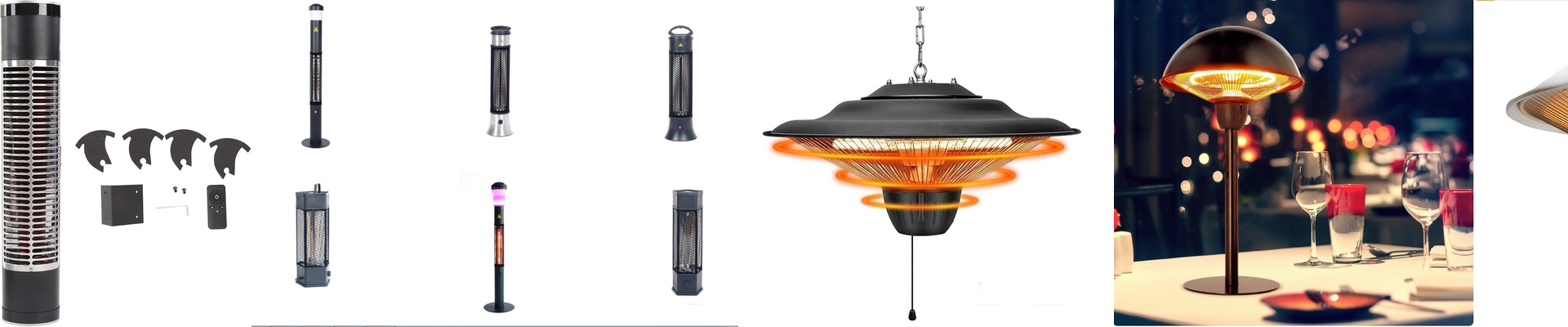
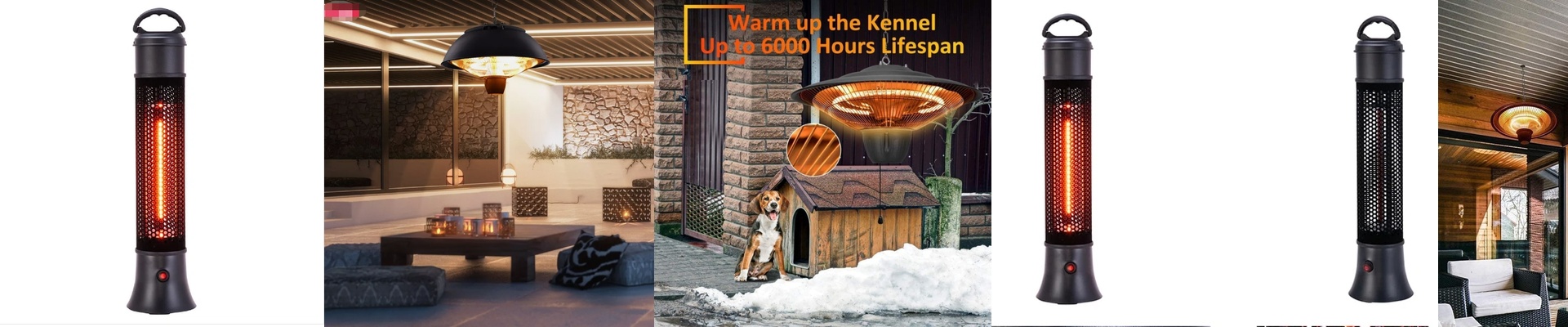
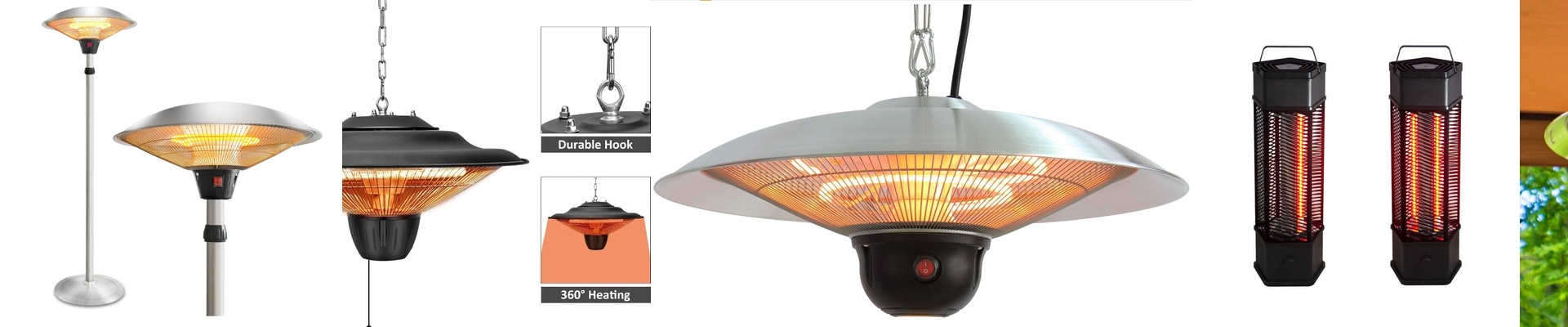
It’s not just about the glass, though. You have to look at where the tube meets the electrical terminals. In a shower or an outdoor patio, steam gets into everything. It’s relentless. To stop the wires from rusting through or just burning out, we use high-temperature silicone seals and alloys that don’t mind a bit of corrosion. Also, the way these work is pretty cool. The heat goes straight to you, not the air. If you tried to heat the air in an open-air pergola, the wind would just blow it all away. This way, you actually feel the warmth on your skin.
A Few Warnings on Install
You can’t just plug these into any old outlet and call it a day. These lamps pull a lot of power. You’ve got to make sure your wiring and breakers are beefy enough to handle a continuous load. If your voltage drops, your heat drops. Simple as that. One last thing. Even though the glass is “explosion-proof,” the housing around it still needs the right IP rating for your specific zone. Think of it this way: the tube handles the heat, but the housing handles the spray. If you skimp on either one, you’ll be replacing the whole system by next season.