Making Your Outdoor Heat Actually Smart
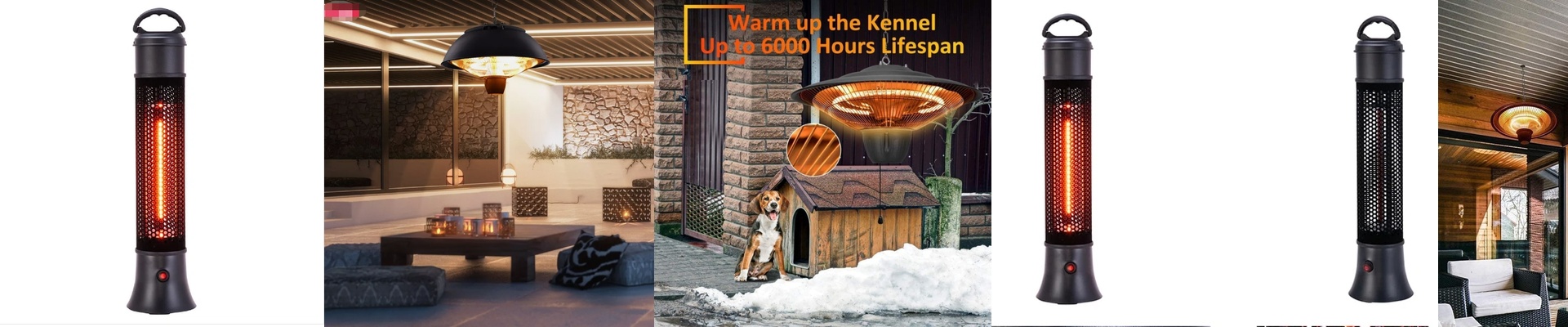
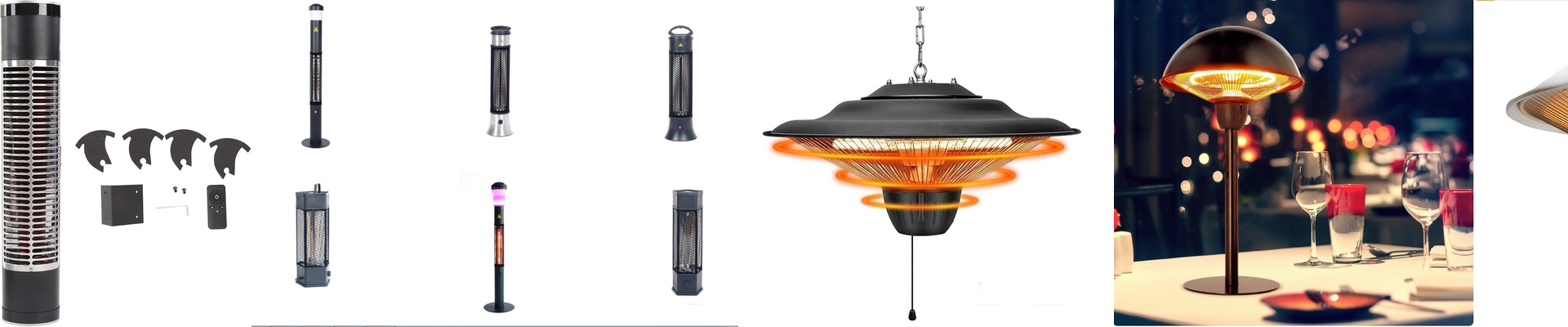
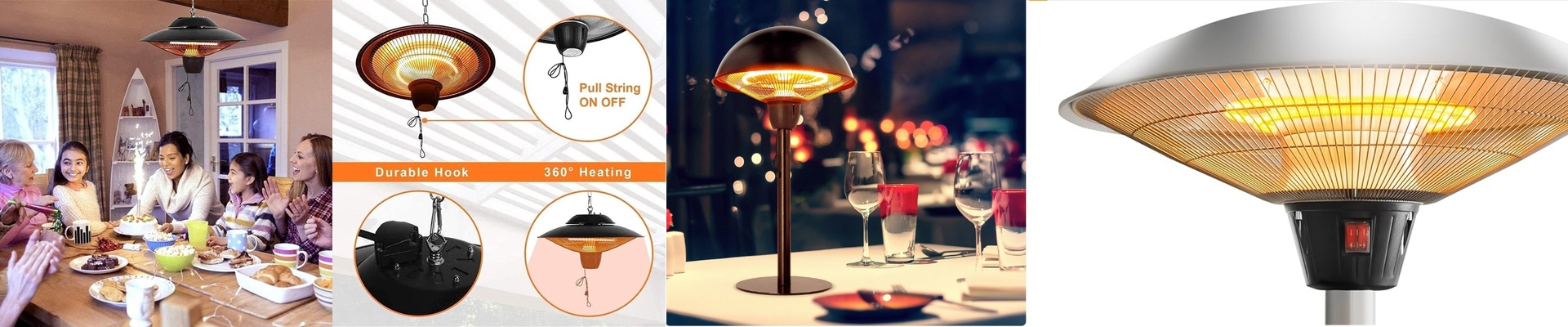
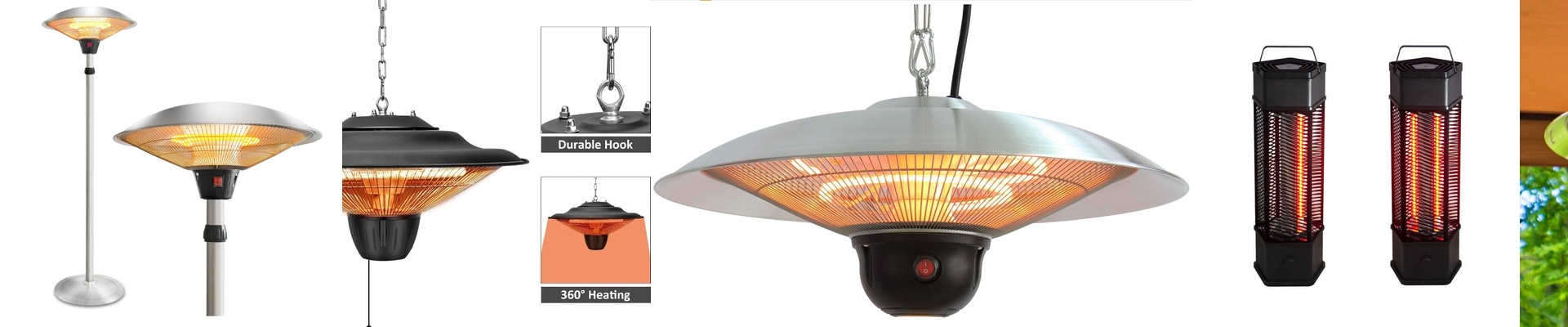
When people talk about remote-controlled heating, they usually obsess over the app. But here’s the real secret: the app doesn’t matter if your hardware can’t handle the power or the weather. If you want that “instant spring” feeling on a freezing January night, you need short-wave infrared emitters tucked inside an IP65-rated shell.
The Gear
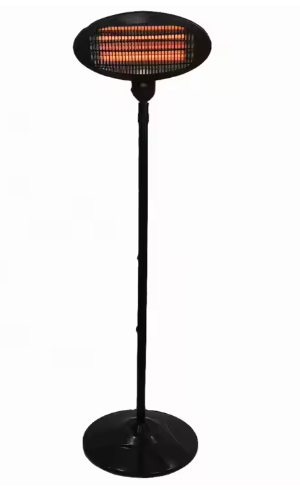
An IP65 rating is basically a fancy way of saying the heater won’t die the first time it rains or gets dusty. We build these specifically for those spots where electronics usually go to die—think damp bathrooms or open-air patios. Inside, there are quartz tubes that turn electricity into radiant heat. Instead of trying to warm up all the air around you (which is a losing battle outdoors), these go straight for the target. You feel the warmth on your skin immediately. It’s a completely different experience.
Getting it to “Talk” to Your Home
You can’t just plug these into a cheap smart plug you bought at the drugstore. They pull way too much current. To make this work without blowing a fuse, we use heavy-duty relays or smart contactors. These are built to handle the heavy lifting. When you tap “on” on your phone, the contactor snaps shut, sends the full voltage to the tungsten filament, and you’re warm in seconds.Fast. Really fast.
The Trade-off
There is a catch, though. You get speed, but you lose that slow, gentle ramp-up. Short-wave IR is pretty binary—it’s either screaming hot or totally off. If you’re looking for a very specific, steady temperature, you’ll need to wire it into a PID controller or a smart thermostat that can switch on and off quickly.
The Stuff People Forget
Please, don’t wing the wiring. High-wattage units need their own dedicated circuits. If you share the line, you’ll be tripping breakers all night. Also, use heat-resistant cabling for that final stretch to the unit. One last tip: if your smart hub isn’t rated for the actual amperage of the heater, you’ll fry the relay in a month. Keep the “brains” (your smart logic) separate from the “brawn” (the heating load) by using a separate power relay. Your wallet will thank you.