Making Smart Kitchens Actually Work: The Secret is in the Heat
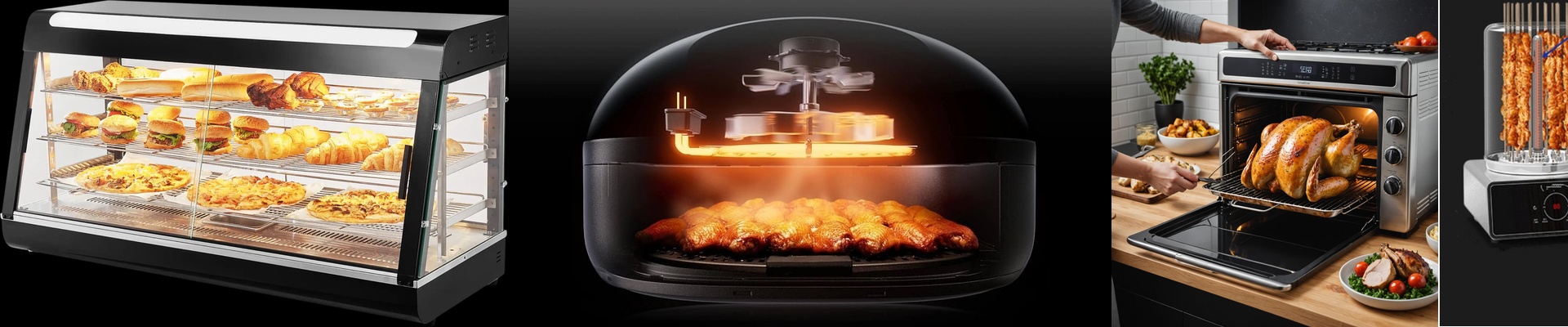
If you’re building an AI-driven kitchen, you probably already know that software is only half the battle. You can have the smartest code in the world, but if your hardware is slow to react, the whole experience falls apart. That’s why we use short-wave infrared (IR) bulbs for baking and frying. Most ovens waste time heating up the air first, which creates a annoying lag. IR is different. It shoots energy straight into the food. It’s instant. The nitty-gritty on speed To get that “instant” feel, we obsess over the wattage-to-length ratio. We use high-wattage quartz tubes because they ramp up fast. When your controller sends a pulse, the bulb hits peak temp in seconds. It creates a tight loop. The AI can tweak the power in real-time, so you don’t end up with that classic problem where the outside of the food is charred but the middle is still cold. Choosing the right materials We stick with high-purity quartz glass. Why? Because it can handle the shock of turning on and off rapidly without cracking. Depending on what you’re cooking, we can also customize the coatings to shift the emission spectrum. This means you can decide if the heat should dive deep into the food or just crisp up the crust. Plus, we offer plenty of connector options, so these should slide right into your existing chassis without a fight. The trade-offs you need to know Now, here’s the catch. High heat density is great for speed, but it’s tough on your gear. A 2000W+ bulb is a beast. It puts a lot of pressure on your wiring and housing. If you don’t get your heat sinks and ventilation right, you’re going to fry your connectors long before the filament actually gives out. My advice? Use high-temp ceramics for the mounting brackets. It keeps things from warping when the heat really kicks in.