Keeping People Warm in Wet Spaces
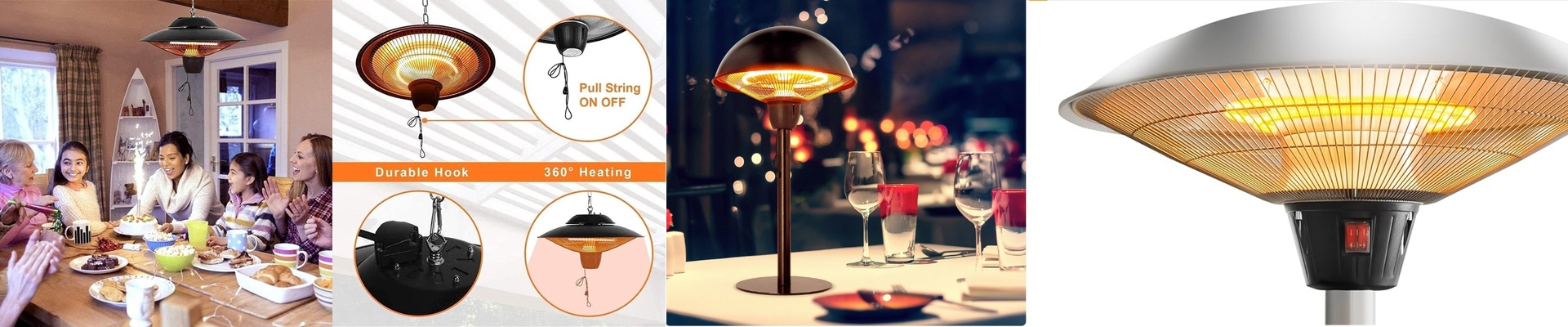
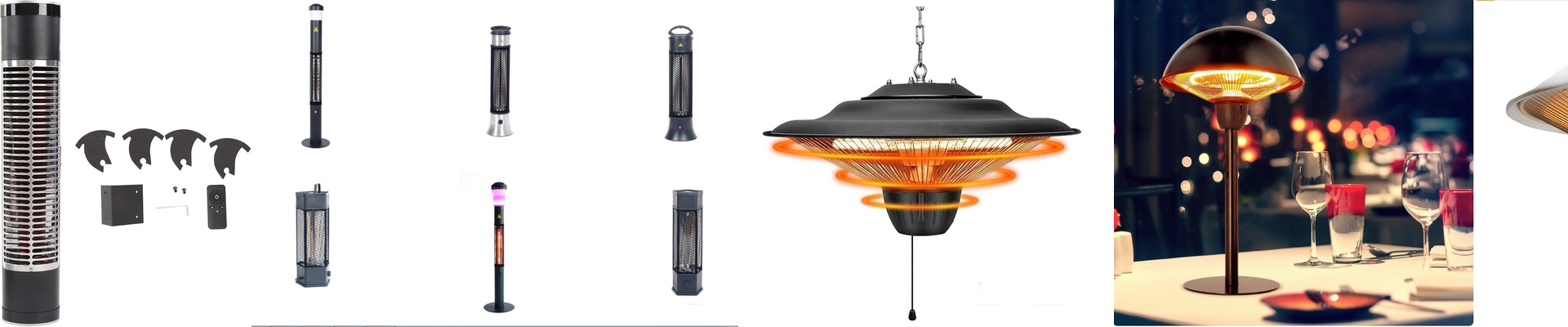
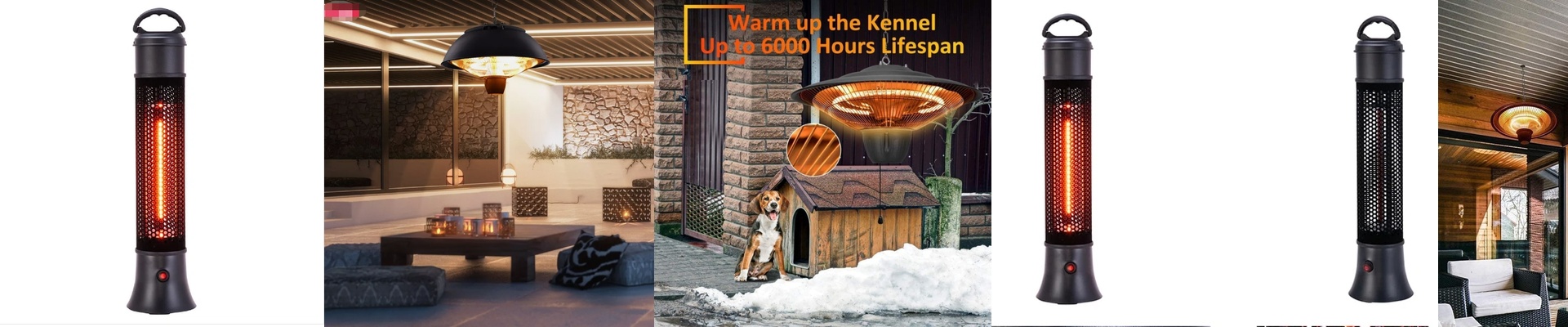
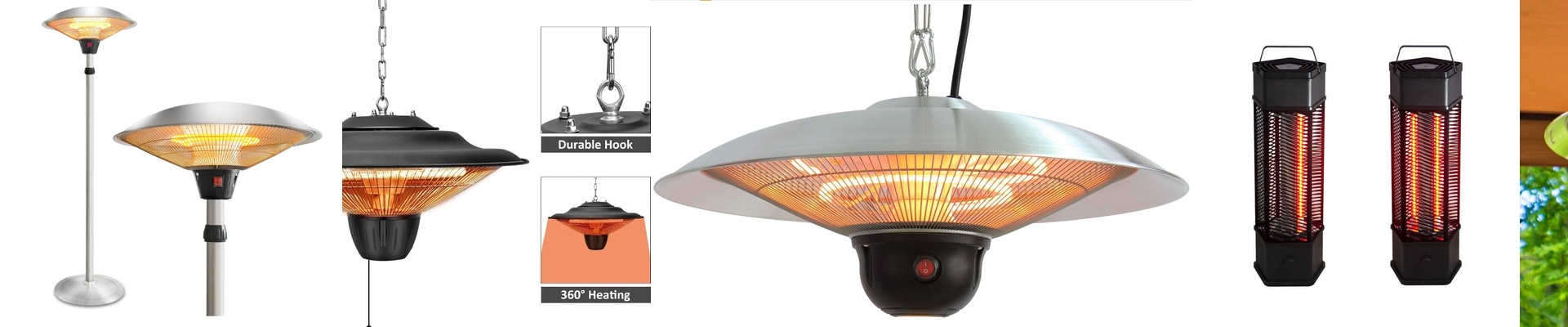
Let’s be honest: locker rooms and changing areas are a nightmare for heating. You’ve got high humidity, steam everywhere, and people splashing water around. Most heaters just can’t hack it. That’s why we go with shortwave infrared (SWIR). Here is the secret: instead of trying to warm up all the air in the room—which is basically impossible when there’s a draft—SWIR sends energy straight to the person. It hits your skin or your clothes directly. It feels like stepping into a patch of sunlight on a cold day. You feel the heat in seconds, even if the rest of the room is freezing. Dealing with the water In a dressing area, water is going to get everywhere. If you use a standard heater, it’s only a matter of time before it shorts out or just rusts away. We use an IPX4 rating for these units. In plain English? It means the casing is tight enough to keep splashes from any angle from hitting the guts of the machine. We spend a lot of time sealing the gaskets and cable entries because that’s where the moisture usually sneaks in. Just a heads-up: if you’re putting these in a heavy-duty sauna area with high-pressure jets, IPX4 isn’t enough. You’ll want to jump up to IPX5 or IPX6 to keep things safe. How it actually works These things are fast. Really fast. We use quartz glass tubes filled with halogen gas. This does two things: it makes the filaments last longer and packs the heat in tighter. Because the energy is so concentrated, it can punch right through a cold draft without losing its punch. The catch (and how to fix it) Nothing is perfect. The trade-off with shortwave IR is that it doesn’t “throw” the heat as far as medium-wave units do. If you just slap them on the ceiling randomly, you’re going to end up with “cold spots” where people are still shivering. To fix this, we suggest a staggered grid layout. It covers the floor more evenly. One last pro tip: check your circuit breakers. Halogen lamps have a big “inrush current” the moment they click on. If your breakers aren’t spec’d for that initial spike, you’ll be replacing tripped switches all day.