Why Your Patio Heaters Keep Dying (And How We Fixed It)
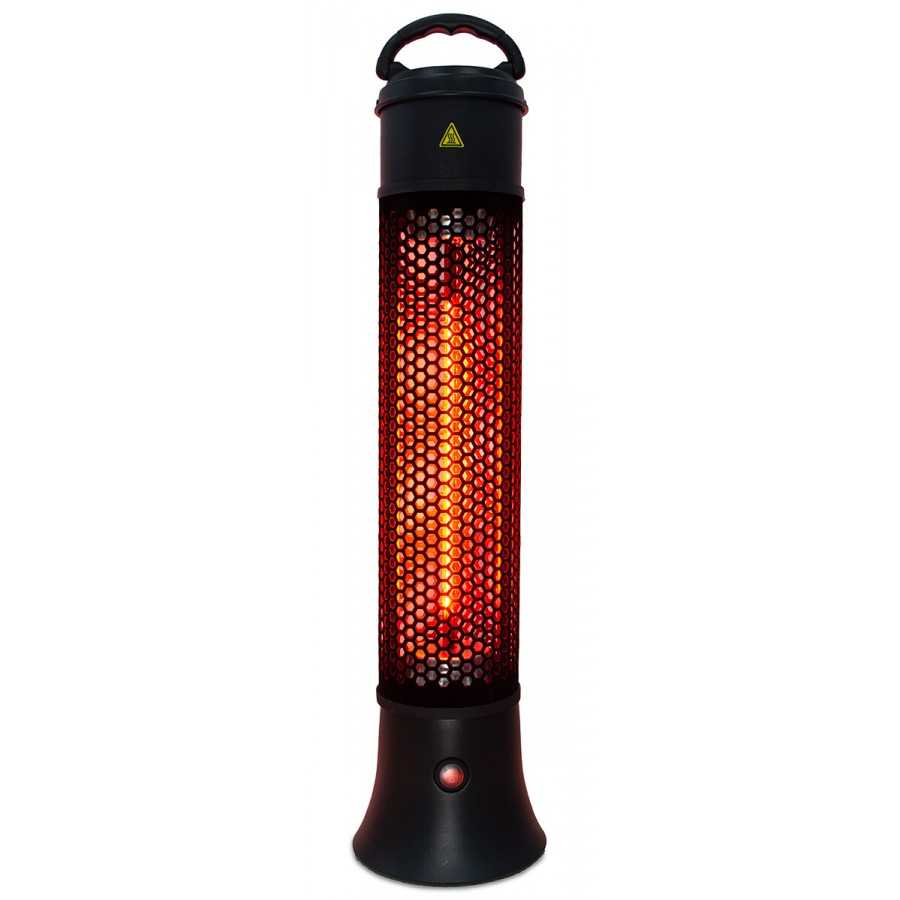
If you’ve ever run a nightclub patio, you know the drill. You’ve got these high-powered infrared heaters fighting a constant war against rain, humidity, and crazy temperature swings. Most people think the heating element is what gives out first. But honestly? It’s usually something much smaller. It’s that tiny spot where the lead wire connects to the quartz tube. Here is what’s actually happening. Cheap heaters usually rely on basic glue or a loose fit. Once those things heat up, the warmth crawls from the element right into the connection. The insulation basically bakes until it cracks. Then the rain hits. Moisture sneaks into those cracks and creates a bridge between the live wire and the chassis. You don’t just get a tripped breaker—you get a fried connection. It’s a mess. We decided to do it differently. Standard glues turn to charcoal once they hit 200°C. That’s why we switched to specialized silicone compounds that stay flexible even at 350°C. It creates a hard, waterproof barrier between the tube and the wire. No gaps. No leaks. Plus, it keeps oxygen away from the contact points, which means you don’t get those nasty “hotspots” caused by oxidation. There is a catch, though. If you go for those ultra-high-wattage lamps, the terminals take a massive beating. You can’t just crank up the power without beefing up the sealant, or the whole thing will melt. And if your heater housing doesn’t have decent airflow, even the best seal in the world will eventually wear down. We build these things for the 24/7 outdoor grind. By sealing that gap tight, we stop the moisture before it even starts. You just get a heater that actually works—even after a brutal rainy season.