

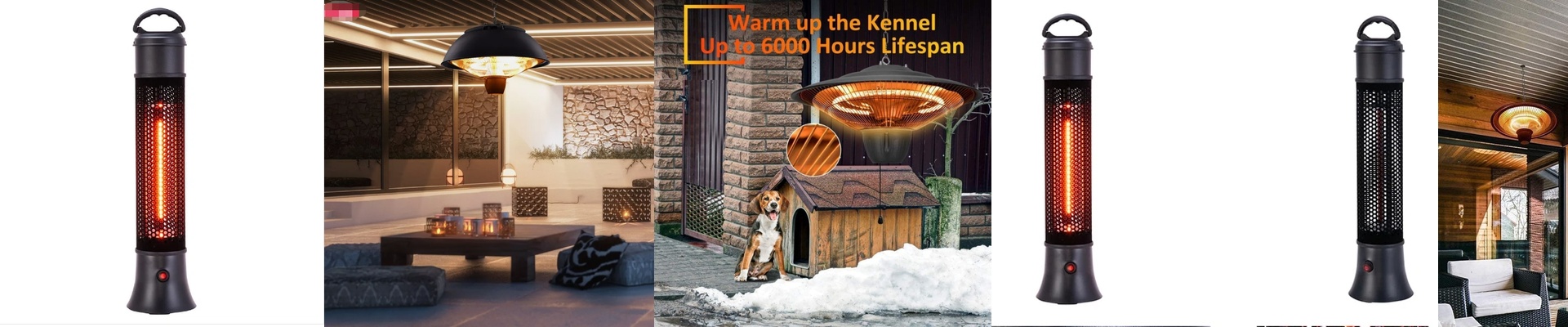

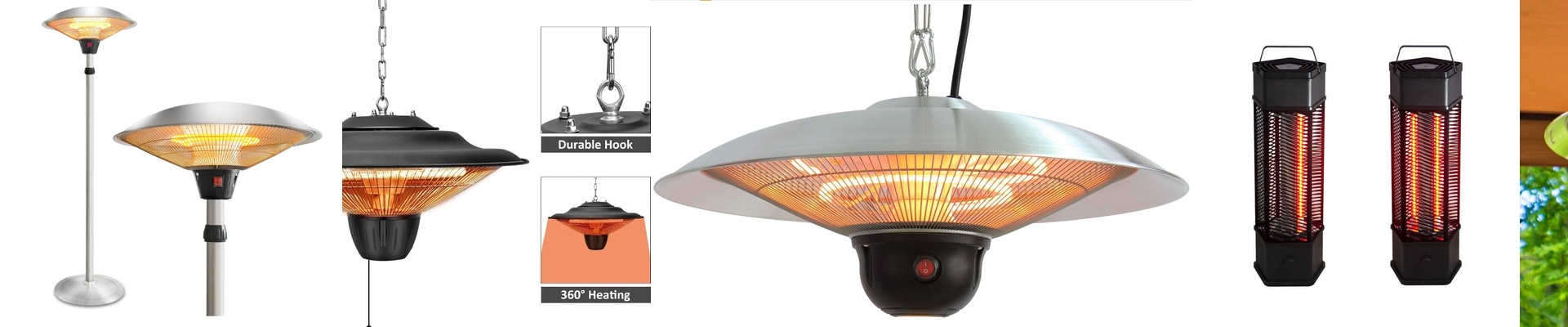
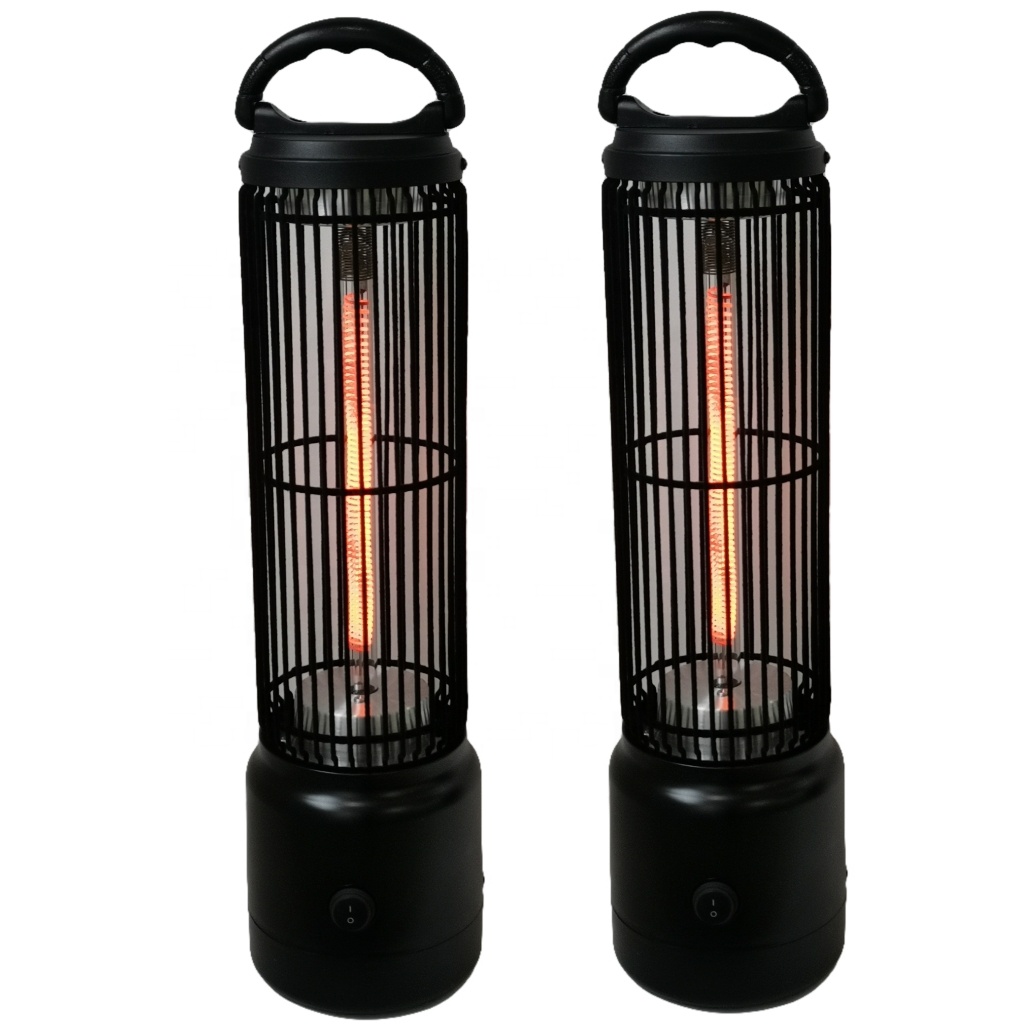
Look, if you’re putting a 1500W infrared heater in a bathroom or a gazebo, you can’t just slap on a waterproof shell and call it a day. You’ve got high power and heavy moisture mixing in the air. That’s a disaster waiting to happen if your insulation isn’t spot on. Keeping the electricity where it belongs To stop current from leaking into the damp air, we do things a bit differently. We use double-insulated housing and reinforced potting compounds at the terminal junctions. A plastic cover just doesn’t cut it. The internal wiring also has to handle high heat. If you use cheap stuff, the insulation cracks or melts over time. Once that jacket fails, moisture crawls in, and suddenly you’ve got a ground fault on your hands. We also put IP-rated seals at every single entry point. Here’s the thing: a 1500W load gets hot. Really hot. That heat creates a pressure difference that can actually suck humid air right into the chassis. We use gaskets that stay tight even when the metal expands from the heat. Staying safe A solid ground path is a must. We wire the chassis directly to the earth ground. That way, if a wire frays or a part burns out, the breaker trips instantly. You don’t want the heater casing becoming live. And please, pair these units with an RCD or GFCI breaker. No matter how good the internal seals are, the spot where you plug it in is always a weak point. The trade-offs There is a catch, though. High-grade insulation is great for keeping moisture out, but it makes it harder for the electronics to breathe. It traps the heat inside. Because of that, make sure your ceiling bracket has plenty of clearance. If you mount it too flush against a surface with no airflow, the unit will just soak in its own heat. That’s a quick way to fry your components.