Getting Your Nissei and Sidel Lamps Right
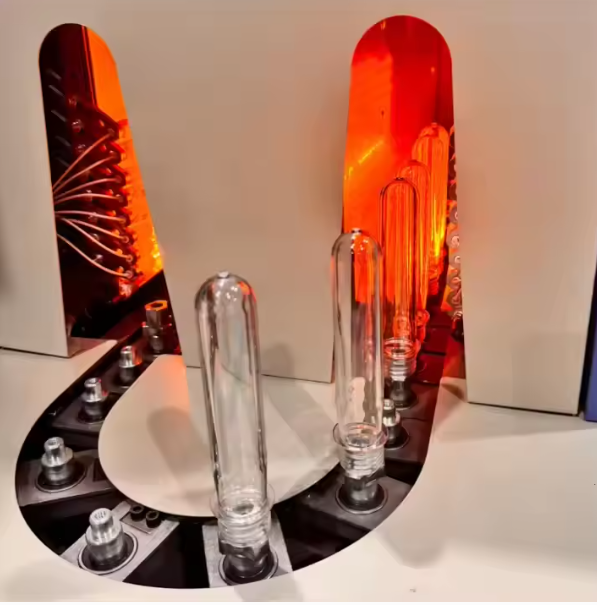
If you’re swapping out heating lamps in your PET blow molding machines, you already know it’s not as simple as just matching the wattage on a label. Whether you’re tinkering with a Nissei ASB 70DP or transitioning from an old-school Sidel SBO to a Matrix, the physics don’t change. The goal is simple: you want a drop-in replacement. You don’t want to spend your afternoon recalibrating the thermal profile of your preforms just because you changed a bulb. The nitty-gritty on power Here’s the thing about the ASB 70DP: the voltage and wattage have to be spot on. If they aren’t, you’re looking at blown fuses or, even worse, under-heated preforms. We use high-wattage quartz tubes because they push shortwave infrared energy into a tight band, which lets the heat soak into the PET wall fast. If the voltage is even slightly off? You’ll start seeing those annoying “cold spots” in the bottle shoulder. Nobody wants that. Making them actually fit We spent a lot of time obsessing over the footprint. We wanted these to work across the entire Sidel range without anyone having to pull out a drill or modify the machine. So, we standardized the end-caps and the connectors. They just fit. We also used high-purity quartz glass because these things take a beating with rapid heating and cooling cycles. Plus, we added a coating that bounces the heat back toward the preform. It’s a simple tweak, but it stops a lot of energy from just vanishing into the air. A quick heads-up for the floor You can wire these right into your existing boards without changing a thing. But a word of caution: if you crank up the heat density to shave a few seconds off your cycle times, your oven’s ventilation is going to feel the pressure. If you’re pushing the lamps to the limit, make sure your cooling blowers are clean and actually working. If they’re clogged with dust, your reflectors might warp. These lamps slide into the existing slots, hit the right temps, and keep your line humming. Simple as that.