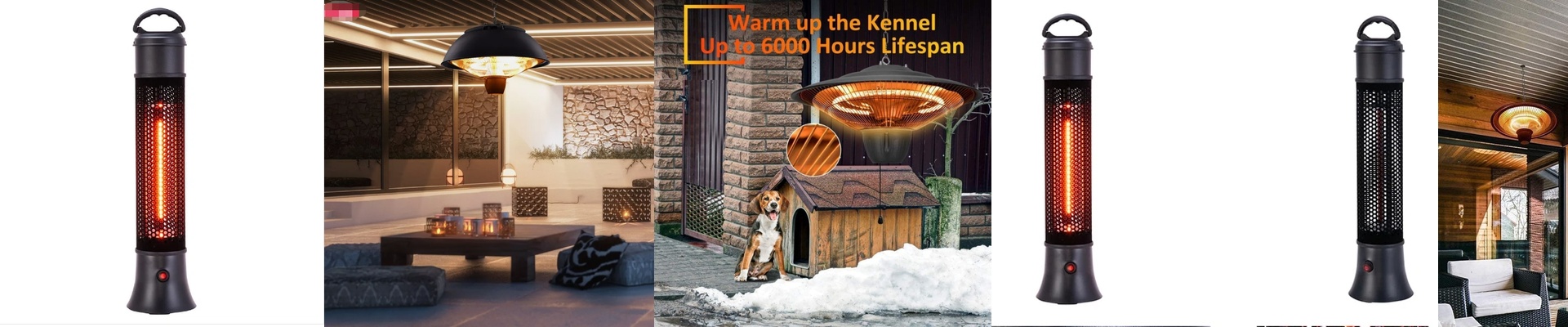
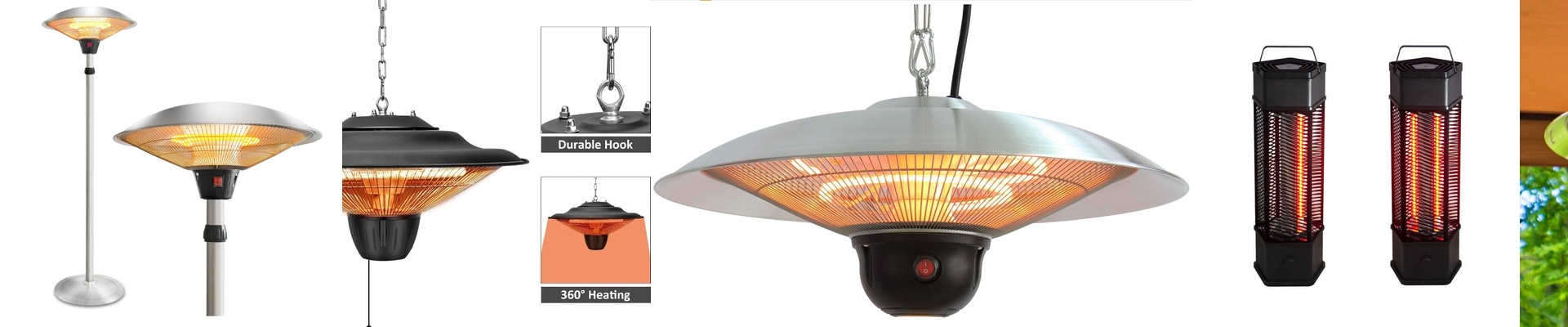
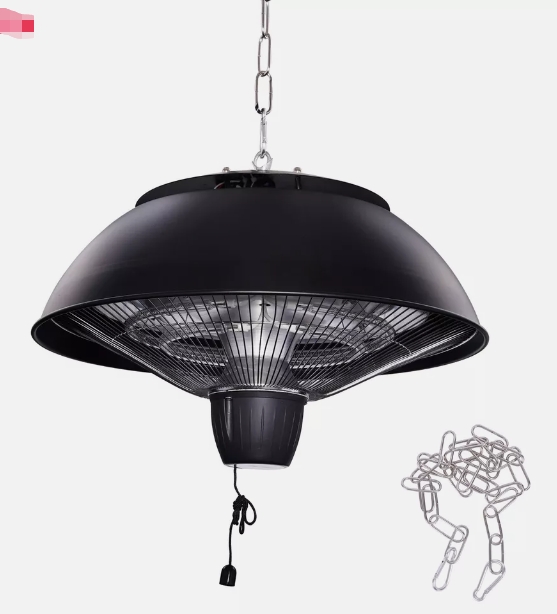
In a busy spa or salon, that corner is never just dead space. It’s the quiet spot where a client settles after a treatment, and the warmth has to feel like part of the care—not an add-on you slap in after the fact. When the heat is slow or uneven, you see it right away: shoulders tense up, and the relaxation window shrinks.
What matters, technically
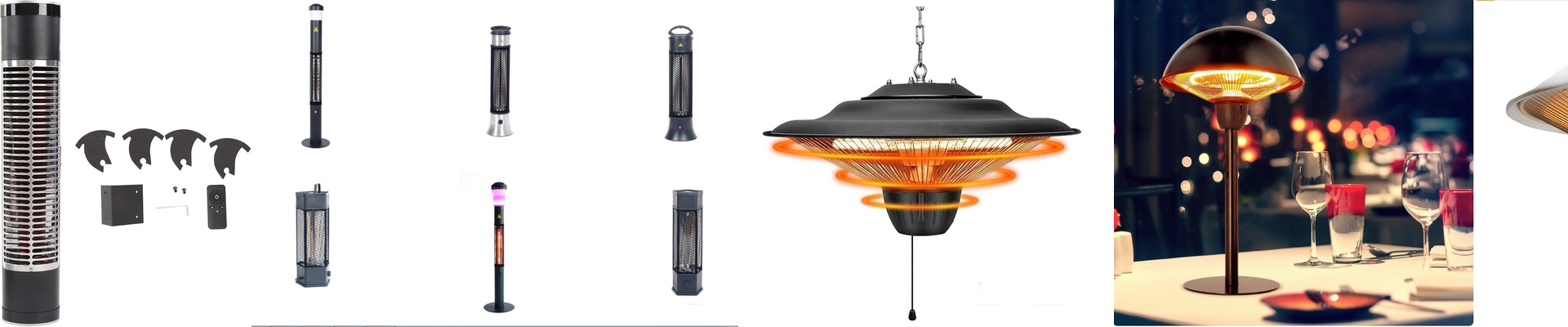
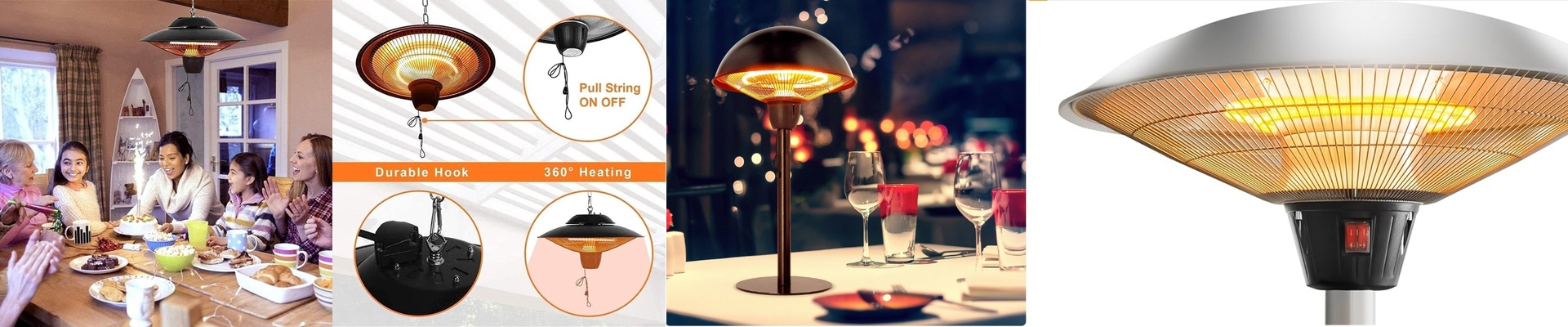
We built this corner heater around a quartz infrared element. The reason is simple: radiant warmth that hits fast—heat you feel from a distance, not just air that’s warm in the middle and cool at the edges. In practice, clients get comfortable sooner, and you can hold a steady comfort level without turning the whole room into a sauna. It runs on standard electric service, pulls a moderate load, and heats quickly. That means you can switch it on between appointments and have usable warmth in minutes. A built-in thermostat keeps output steady, so the space doesn’t yo-yo between too hot and too cold.
Why it fits this space
This is the kind of heat that sits naturally inside wellness routines. Radiant infrared warms the body directly, helping muscles relax and supporting that deep, settled comfort that keeps clients lingering—long enough to add another service, or simply leave feeling calmer. Because the warmth is directional, you can place the heater in a corner and aim it at the treatment chair or lounge area, without trying to heat the entire room. That makes it practical for mixed-use rooms and tight layouts, and it keeps energy use predictable.
The things you’ll want to get right
Infrared works best with a clear line of sight to the people you’re heating, so positioning matters. Angle the heater toward seating, and don’t block the element with towels, carts, or heavy drapes. And here’s the nuance: quartz infrared delivers fast comfort by warming objects and people, but room surfaces warm more slowly. In cooler months, pair it with gentle ambient air movement, and you’ll get a more even, wraparound feel.