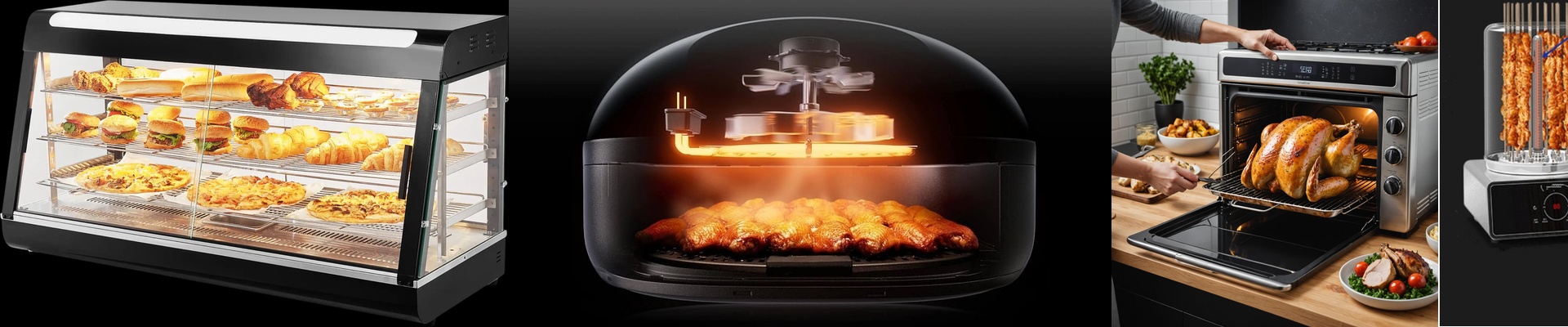
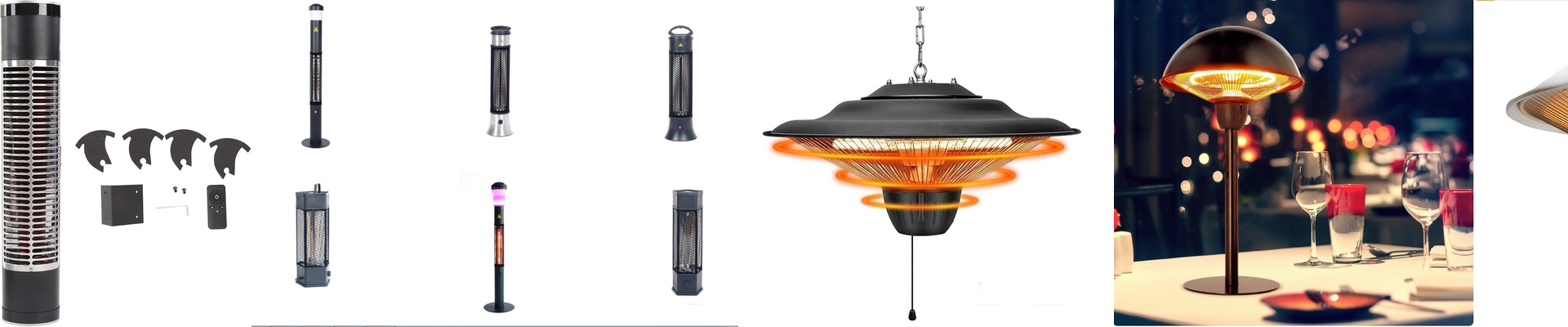
When the rush hits, your oven can’t be the bottleneck. Deck ovens, rotary ovens, and high-volume convection units need heat that lands instantly and stays put, bake after bake. If the heating element lags, the crust sets late, toppings steam instead of blistering, and your ticket times start to balloon.
What matters under the hood
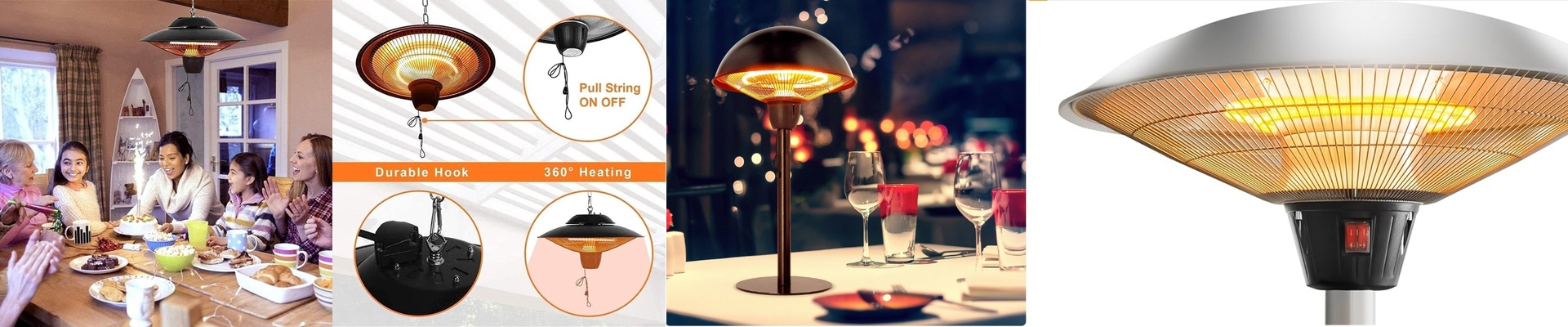
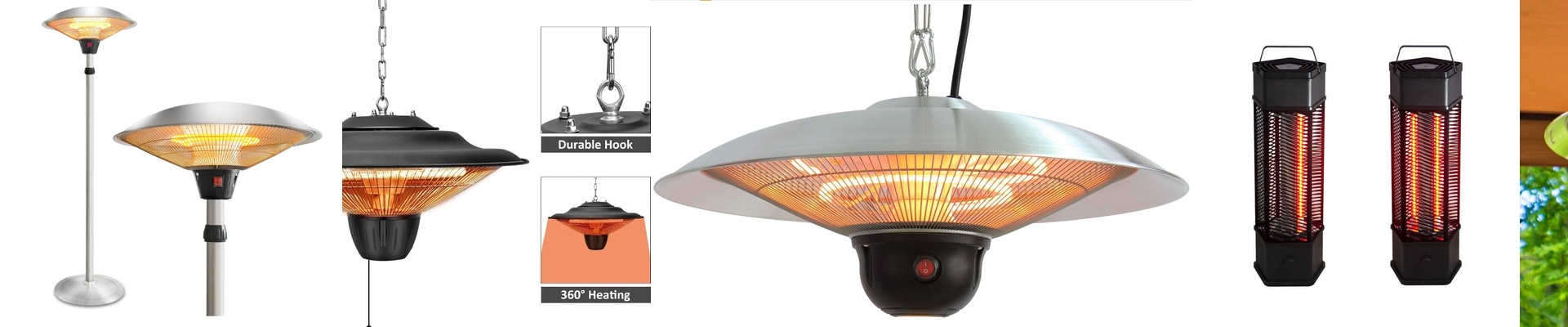
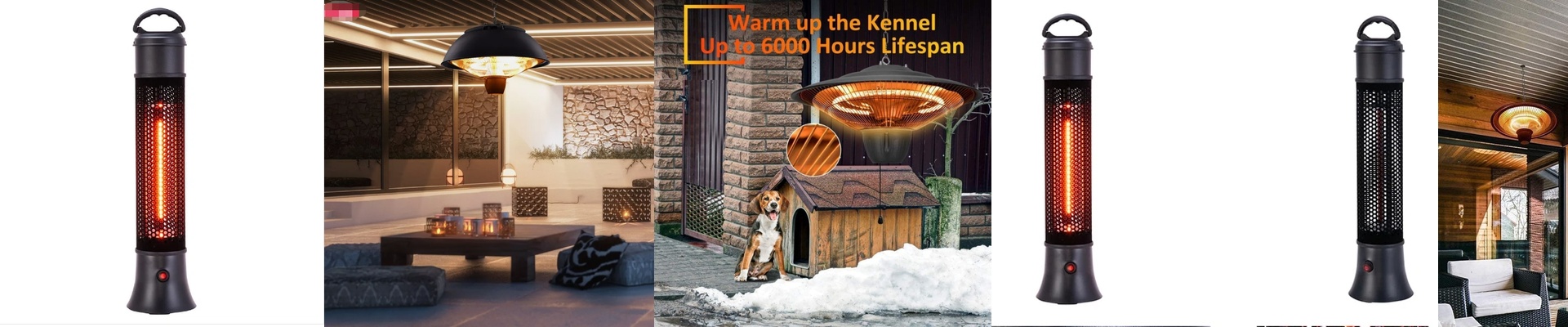
A food service quartz heating tube is built around a short-wave infrared quartz envelope, designed for fast thermal response. In practice, that means the element hits target temperature quickly and then holds it with tight control across the baking chamber. The specs that actually matter: consistent watt density matched to the oven cavity size, standard voltage options that line up with your kitchen power, and end-cap construction that can take repeated thermal cycling. The quartz tube delivers even radiant heat straight onto the product, so you get crisp crust formation and controlled caramelization without drying things out.
Why it earns its keep on a busy line
Speed is only useful if the quality stays consistent. Quartz heating tubes cut warm-up time, so you start producing sooner and recover faster between bakes. That means less idle energy and a tighter gap between trays, which smooths out the workflow. Because the heat stabilizes fast, your results stay repeatable—crust color, rise, and doneness—even when service is peaking. And it holds up under the on/off cycling that most commercial ovens live through.
Things to keep straight
Quartz heating tubes perform best when they’re matched to the oven’s thermostat and reflector geometry; if the mounting is off, you’ll get hot spots. Install with clean, dry hands—oils and residues will shorten tube life. Confirm compatibility with your specific deck oven, rotary oven, or convection model before ordering, and keep spare mounting hardware on hand so downtime stays minimal.