You know the drill on the blow molding floor. Halogen lamps start dimming, heating profiles drift, and you spend more time chasing temperature than actually running the machine. When your Sidel or Krones blow molder starts burning through lamps and power, the maintenance logs pile up fast. The question isn’t whether to upgrade—it’s how to do it without breaking the budget.
What matters under the hood
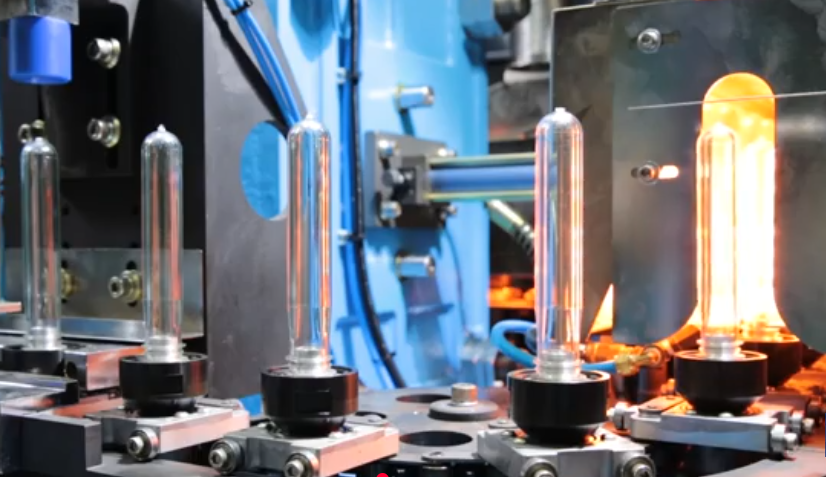
Near-infrared (NIR) emitters heat preforms differently than halogen. They don’t throw energy across the spectrum; they concentrate it where PET absorbs best. The result is faster response and tighter control over the heating band. Typical NIR replacements run on 120–240 V, drop into standard R7s sockets, and pack serious power density into a small footprint. Fewer lamp changes per year. Lower kWh per cycle. In practice, that means less downtime and a more stable profile across the heating tunnel.
Why it clicks on the line
On a high-speed stretch blow molding line, heating stability drives uptime and yield. With NIR, you can shorten the heating tunnel, back off the heat at the neck, and hit the set profile faster. That means lower energy bills, fewer rejects, and a process window that behaves itself. When you swap halogen for NIR on Sidel, Krones, SIPA, Husky, SACMI, or Nissei ASB machines, you get 1:1 parameter matching to OEM specs—so the upgrade fits without rewiring the whole oven.
The fine print
NIR isn’t a straight plug-and-play in every case. Reflectors, airflow, and preform color all shift the outcome, and some older tunnels need minor geometry tweaks to keep the beam pattern even. Run a trial first. Map your existing heating curve. Confirm the lamp length and connector type match your holder. Once the profile is locked in, you’ll see fewer lamp changes—and a clearer runway to lower operating cost.