

Why Infrared Heaters Are Taking Over Bathrooms (and Leaving Old Light Heaters Behind)
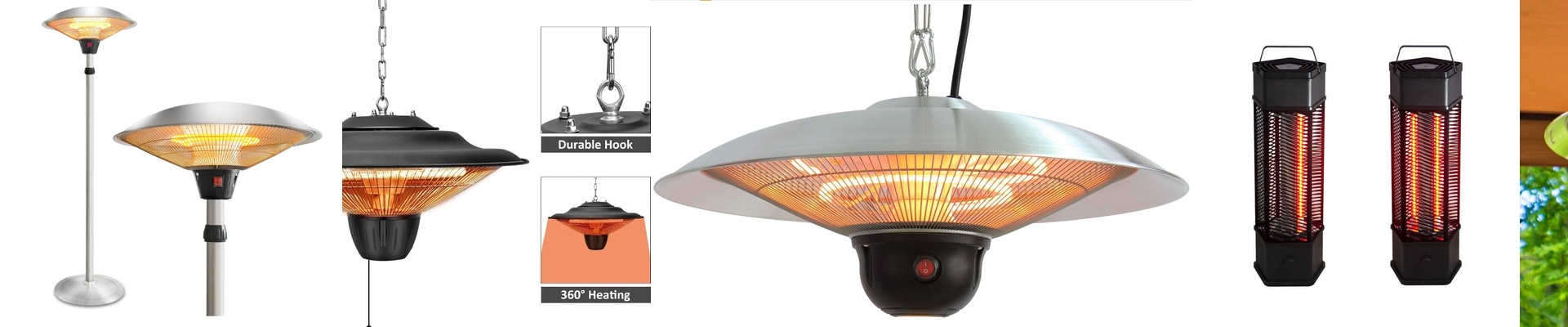
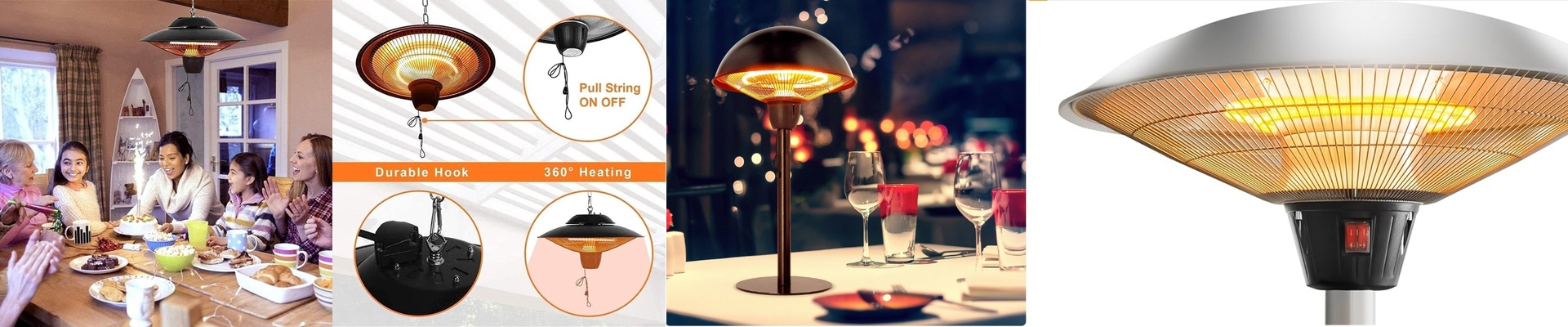
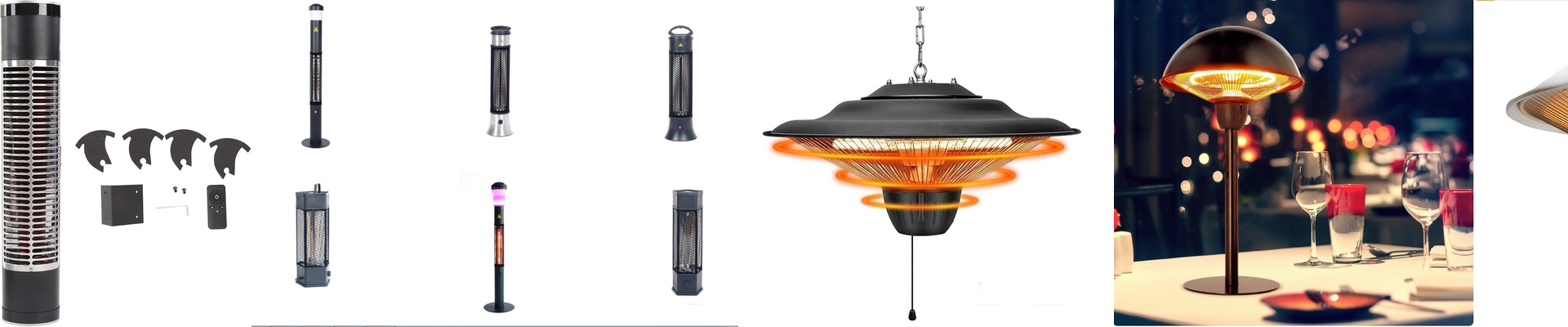
Look, bathroom upgrades are changing. Fast. These days, high-waterproof-rated infrared heaters are quietly pushing traditional light heaters off the scene. And it’s not just a fad. It’s about fixing real headaches—the kind you feel when you’re staring at an installation mess or worrying about safety in a steamy room.
They fit your space—without a fight
Here’s the thing: infrared units are built to be compact. They slip into tight bathroom layouts without asking you to rework the ceiling or walls. They run on standard voltage, so you get steady wattage that warms surfaces directly—no more wasting energy heating air that just disappears. And the dimensions? They line up with common mounting points. So you can drop them in and get on with your day. Less time on the install. Less pain on the labor cost.
Built to take the heat (and the steam)
Inside, you’ve got a quartz tube with a halogen fill. It’s chosen for stable, high-temperature performance and quick response—meaning it gets warm when you need it, not later. The tube is sealed tight, with a serious waterproof rating. That matters in a bathroom. Moisture stays out, so corrosion and electrical trouble don’t creep in. We use a sturdy connector that locks in place and stays reliable even when the unit heats up, cools down, and repeats. The coating and sealing are meant to handle steam, frequent on/off cycles, and the day-to-day beating of a busy bathroom.
For the people designing the space: warmth that behaves
When you’re renovating a bathroom, you want heat you can trust. Safe. Reliable. Easy to specify into the finished room. Infrared heaters give you directional warmth—they heat people and surfaces directly. That eases the load on ventilation and ambient heating systems. They fire up fast, hold steady, and deliver predictable performance, which makes system design simpler. But there is a trade-off. Because the heat is concentrated, the enclosure around the unit needs to be rated for the temperature and get proper ventilation. Plan your thermal budget up front, and you’re set. Then you get a solution that feels dependable, plays by the rules, and makes modern bathroom upgrades feel like a smart choice—not a compromise.