


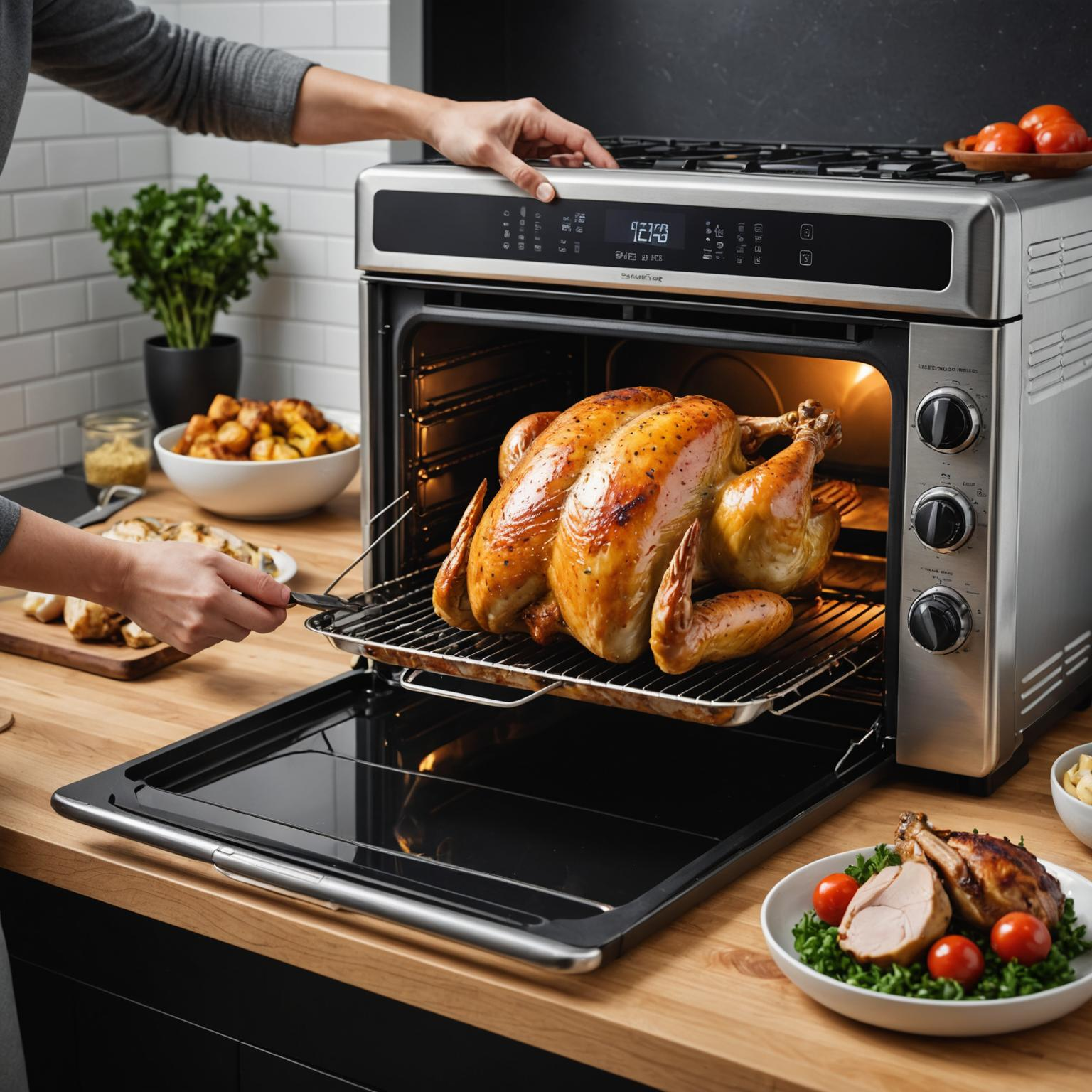
Stop Burning the Outside of Your Thick-Cut Meats
Anyone who’s run a rotary oven knows the frustration. You’re cooking a thick cut of meat, and by the time the center is actually safe to eat, the outside looks like a charcoal briquette. It’s a nightmare. We found a way around this using gold-coated infrared bulbs. Now, that sounds fancy, but the goal is simple: get the heat into the middle of the protein without torching the surface.
Why the gold coating actually matters
Standard quartz lamps throw out a broad mix of heat. It’s a bit chaotic. The gold coating acts like a filter. It pushes the energy into a specific infrared band that can actually soak deep into dense meat. It’s the difference between a heat lamp that just warms the skin and one that reaches the core. Plus, the gold stops heat from leaking out the back of the bulb. Everything gets pushed forward, right onto the meat. This means you aren’t wasting energy, and your total cook time drops.
Getting the timing right
Since your product is constantly spinning in a rotary setup, you can’t just “set it and forget it.” We use high-precision PID controllers to make sure you don’t end up with scorched hot spots. These gold lamps react to voltage changes way faster than old-school heating elements. You can dial in the temperature much more accurately. But here’s the catch: you have to watch your wattage. If you go overboard with the power, you’re right back to burning the outside. It’s all about the balance between how powerful the lamps are and how fast the oven is spinning.
The honest trade-offs
Look, these aren’t perfect. Gold-coated bulbs are a bit temperamental. If your team touches the quartz with their bare hands, the oils from their skin will cause the glass to crack once it gets hot.Use gloves. Every single time. They also cost more upfront than your basic halogen tubes. You’re paying a premium for that coating and the way it handles heat, but for thick cuts, it’s usually the only way to get the job done right.