


Getting Your Heat Right in Sidel Matrix Blow Molding
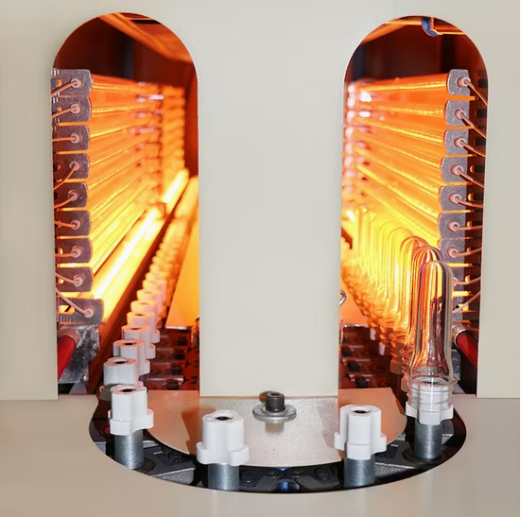
Here’s the deal: when you swap out OEM lamps in a Sidel Matrix machine, things can get dicey. The biggest headache is usually the temperature rise curve. If the wattage or the light spectrum is even slightly off, your PET preforms won’t heat evenly. You end up with a mess. That’s why we built our replacement lamps to be a mirror image of the originals. We wanted to make sure the heat distribution stays exactly where it needs to be. The nitty-gritty on the physics Getting that thermal curve to match isn’t as simple as just checking the voltage. We have to get the wattage and the length of the heating element just right to keep the energy density per millimeter consistent. Why does that matter? Because if the power density is off, you get hot spots or cold zones in the preform wall. Not a good look. We also spec our filaments to hit the exact resistance values your Sidel power controllers expect. It saves you from those annoying machine errors or safety shutdowns right when you’re trying to ramp up production. Fit and feel We use high-purity quartz glass because these things take a beating from rapid heating and cooling. And honestly, the best part is that they’re just drop-in replacements. The footprint and the connectors match your existing sockets perfectly. You don’t have to mess with the wiring or tweak the lamp holders. You just pop them in and go. We also spent a lot of time on the infrared radiation. By tuning the halogen cycle inside the tube, the heat sinks into the PET plastic at the same depth as the original lamps. One quick heads-up High-density infrared lamps put a lot of pressure on your reflectors. Our lamps do their job and match the original heat output, but they can’t fix a dirty oven. If your reflectors are pitted, oxidized, or covered in dust, your efficiency is going to tank. You won’t get that perfect thermal curve if the optics are grimey. Keep them clean, and the tubes will do the rest.